

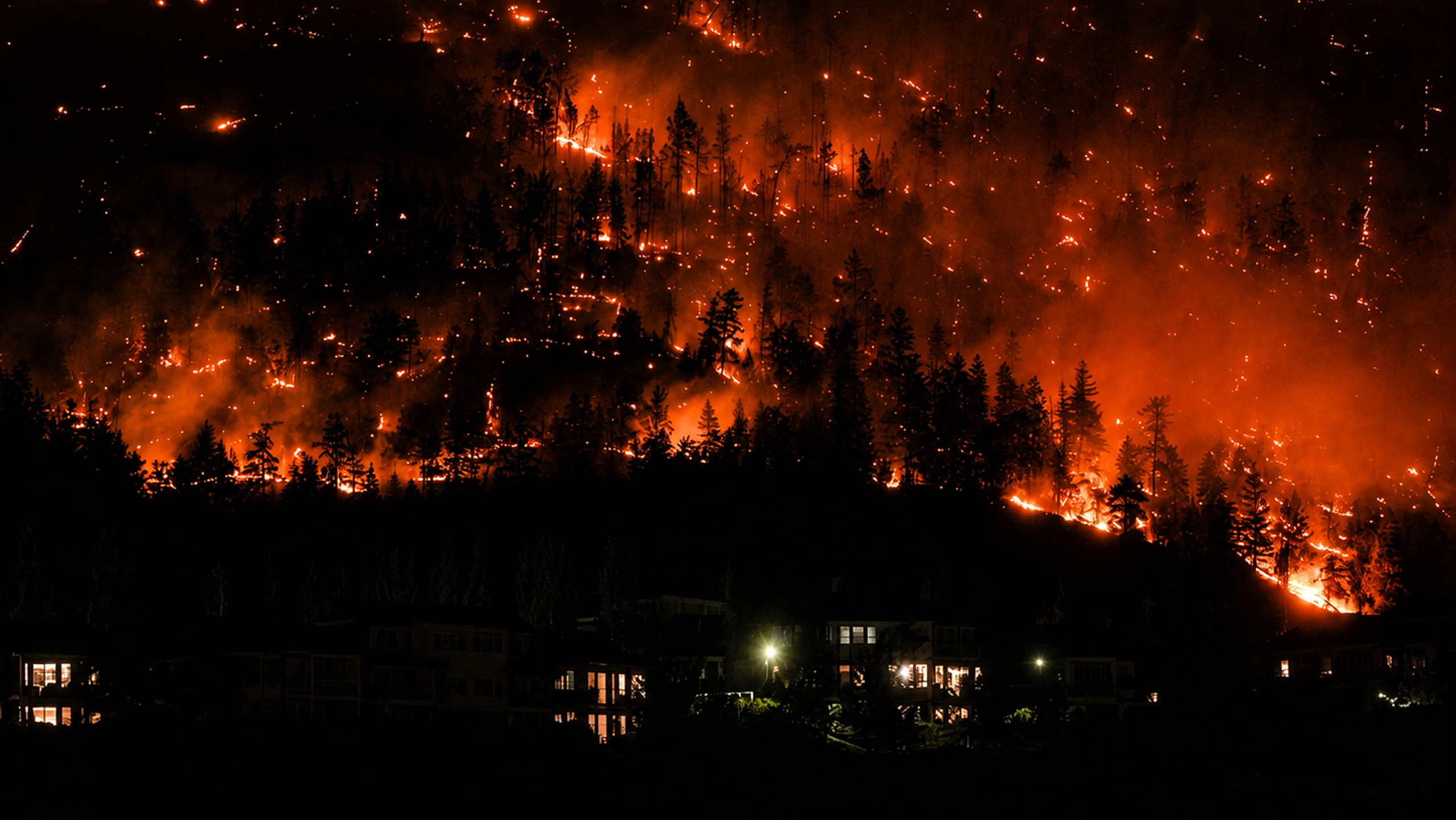
How Wildfire Season Is Reshaping Electrical Infrastructure Design in British Columbia
For decades, electrical infrastructure in British Columbia was designed with reliability, efficiency, and longevity at its core. While natural hazards such as heavy snowfall, flooding, and high winds have always influenced engineering decisions, one factor has rapidly climbed to the top of the priority list: wildfire.
As wildfire seasons become longer, more frequent, and increasingly destructive across Western Canada, utilities, municipalities, industrial facilities, and engineering consultants are rethinking how electrical systems are designed from the ground up. Wildfire resilience is no longer an operational consideration—it is becoming a fundamental design principle.
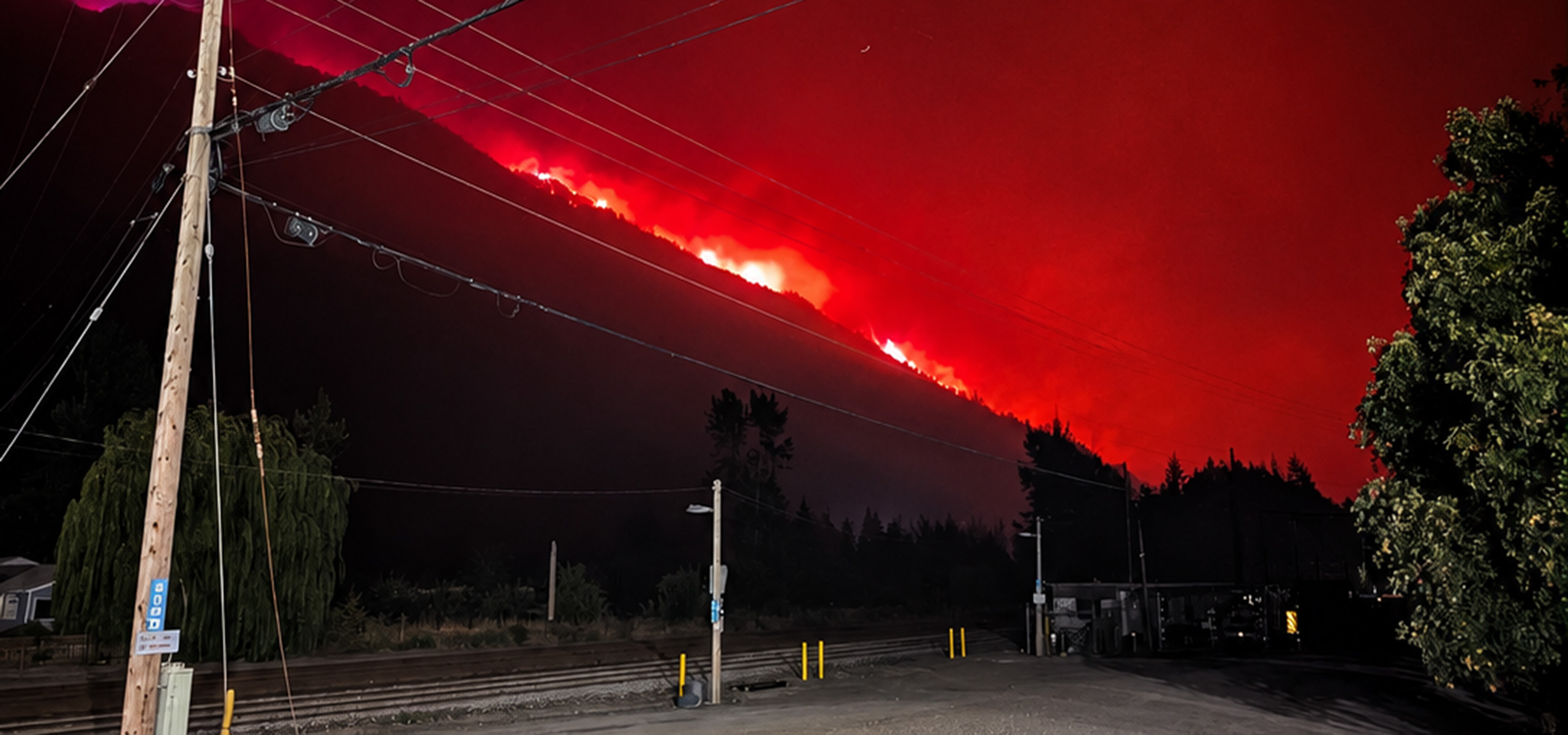
From equipment selection and substation layouts to monitoring technologies and system redundancy, today’s power infrastructure must be prepared not only to deliver reliable electricity but also to withstand some of the most challenging environmental conditions in Canadian history.
Wildfire Is Now a Permanent Design Consideration
British Columbia has experienced some of its most severe wildfire seasons in recent years, affecting communities, transportation corridors, industrial operations, and critical infrastructure. While much public attention focuses on evacuations and property damage, electrical systems are often among the first and most significant assets impacted.
Transmission lines crossing forested terrain, substations located near vegetation, and distribution networks serving remote communities all face heightened exposure to wildfire. At the same time, electricity is essential for emergency response, communications, healthcare, water treatment, and community recovery.
This changing risk landscape means engineers are increasingly asking a different question during project planning:
How will this infrastructure perform during an extreme wildfire event?
That shift is influencing nearly every stage of electrical design.
Designing for Resilience Rather Than Simply Reliability
Historically, electrical infrastructure has been designed to achieve high reliability under normal operating conditions. Today, resilience has become just as important.
Reliability focuses on preventing interruptions.
Resilience focuses on maintaining essential services, minimizing damage, and recovering quickly when extraordinary events occur.
For electrical engineers, this means designing systems capable of continuing to operate—or being restored rapidly—even after exposure to extreme environmental conditions.
Wildfire resilience is now being incorporated into utility planning, municipal infrastructure projects, renewable energy developments, mining operations, and industrial facilities throughout Western Canada.
Equipment Selection Is Evolving
One of the most noticeable changes is the growing emphasis on equipment that can improve overall system resilience.
Modern electrical infrastructure is increasingly incorporating:
- Dry-type transformers in applications where enhanced fire safety is desirable
- Arc-resistant switchgear to improve personnel protection and reduce the impact of electrical faults
- Equipment designed for demanding environmental conditions
- Intelligent protection systems capable of isolating faults more quickly
- Modular equipment that can simplify replacement or expansion
Rather than selecting equipment solely based on capacity or initial cost, project teams are evaluating long-term operational resilience, maintenance requirements, and lifecycle performance.
This broader approach helps reduce operational risks while supporting infrastructure that is expected to perform reliably over decades of service.
Smarter Infrastructure Supports Faster Decision-Making
Digital technologies are also transforming how electrical systems respond to wildfire threats.
Utilities increasingly rely on advanced monitoring systems that provide real-time visibility into grid conditions. Intelligent sensors, automated protection systems, and remote monitoring allow operators to identify abnormal conditions more quickly and make informed decisions before small issues become major outages.
These technologies can help detect equipment abnormalities, monitor environmental conditions, improve situational awareness during emergency events, and support faster restoration once it is safe to re-energize affected areas.
As digital infrastructure becomes more integrated into modern substations and distribution systems, resilience is no longer achieved through stronger hardware alone—it also depends on smarter information.
Site Design Is Becoming More Strategic
Wildfire considerations now extend well beyond the equipment itself.
Project teams are placing greater emphasis on how electrical infrastructure is integrated into its surrounding environment.
Design decisions increasingly consider:
- Vegetation management requirements
- Equipment spacing to reduce fire exposure
- Access for emergency personnel
- Fire-resistant construction materials
- Drainage and erosion protection
- Safe evacuation and maintenance access
- Future expansion without increasing wildfire risk
These considerations are influencing the layout of substations, switching stations, industrial facilities, and municipal infrastructure projects across the province.
The result is infrastructure designed to reduce vulnerabilities before construction even begins.
Redundancy Is Becoming Essential
Another significant trend is the growing importance of redundancy.
In the past, redundancy was often viewed as an optional investment reserved for mission-critical facilities.
Today, many utilities and industrial operators recognize that extreme weather events—including wildfires—can interrupt multiple assets simultaneously.
Designers are increasingly evaluating:
- Alternate power feeds
- Backup transformers
- Multiple distribution paths
- Emergency generation
- Automated switching
- Microgrid integration for critical facilities
These investments can significantly reduce restoration times while improving overall system resilience during emergencies.
As electrical demand continues to grow throughout British Columbia, redundancy is increasingly viewed as a practical component of resilient infrastructure rather than simply an added expense.
Infrastructure Planning Is Becoming More Collaborative
Wildfire resilience cannot be achieved through equipment selection alone.
Early collaboration allows project teams to evaluate site conditions, operational risks, equipment options, maintenance strategies, and long-term resilience objectives before detailed engineering begins.
This integrated approach helps ensure infrastructure investments remain effective throughout their entire lifecycle while adapting to changing environmental conditions.
Planning for the Next 30 Years—Not the Last 30
Perhaps the biggest shift in infrastructure planning is the timeframe being considered.
Historically, engineers relied heavily on historical weather patterns when designing electrical systems.
Today, infrastructure must be designed with future conditions in mind.
Longer wildfire seasons, increasing electrification, expanding renewable energy projects, and rising electricity demand are all reshaping design standards across Western Canada.
Electrical infrastructure commissioned today will likely remain in service for 30 to 50 years. Decisions made during design therefore need to account for the environmental realities of tomorrow—not simply the conditions of the past.
This long-term perspective is influencing everything from equipment specifications and material selection to digital monitoring capabilities and maintenance planning.
Building a More Resilient Electrical Future
Wildfire resilience is no longer a specialized consideration reserved for utilities operating in remote forests. It has become a central component of electrical infrastructure planning across British Columbia and beyond.
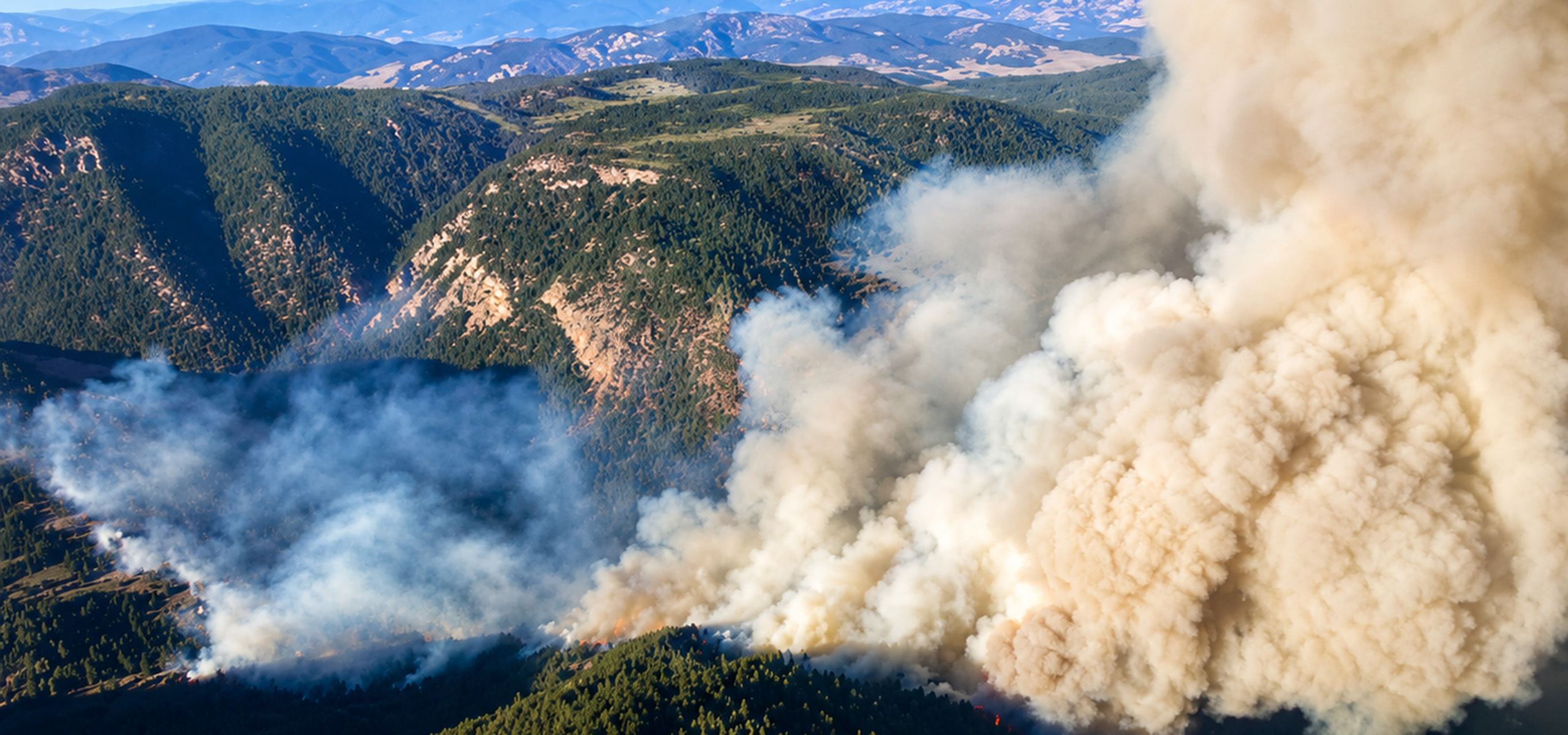
The industry’s focus is shifting from responding to wildfire events toward designing systems that are inherently more resilient from the outset. This evolution is driving innovation in equipment, engineering practices, digital technologies, and project planning while helping ensure communities and industries can continue to depend on reliable electrical service under increasingly challenging conditions.
At Arbutus West Agency Ltd. (AWAL), we work closely with consulting engineers, utilities, contractors, municipalities, and industrial clients to connect them with trusted electrical manufacturers and innovative technologies designed for today’s evolving power systems. From advanced transformer solutions and arc-resistant switchgear to modern electrical infrastructure supporting long-term resilience, our goal is to help deliver reliable, safe, and future-ready power solutions across Western Canada.
As wildfire risk continues to shape the future of electrical infrastructure, thoughtful engineering, quality equipment, and strong industry partnerships will play an increasingly important role in building a grid that is prepared not only for today’s challenges but for those of the decades ahead.