

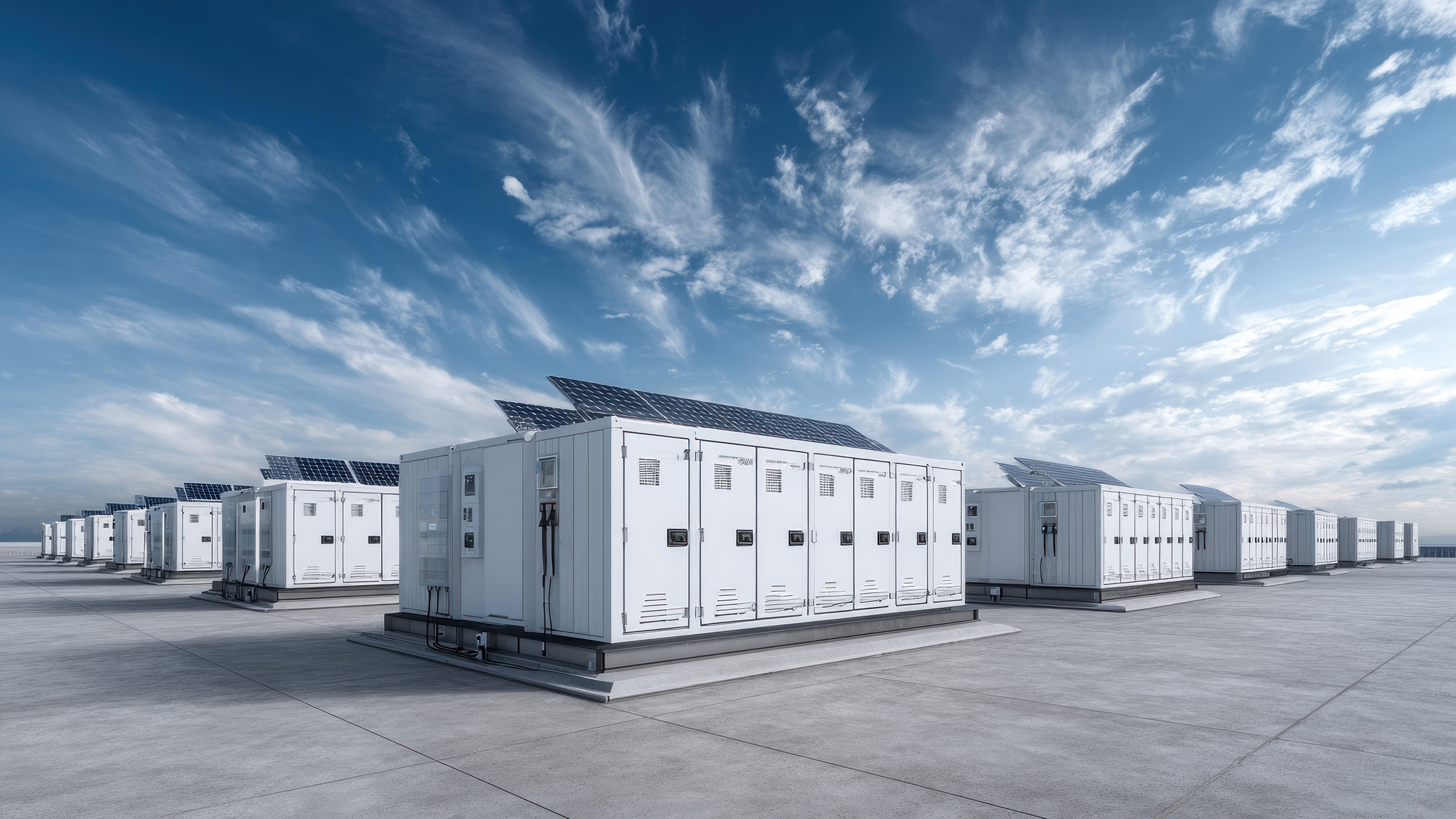
Why Battery Energy Storage Systems (BESS) Are Becoming Essential to Canada’s Power Grid
As Canada’s electrical grid continues to evolve, one technology has rapidly emerged as a cornerstone of the nation’s energy future: Battery Energy Storage Systems (BESS). Once viewed primarily as backup power solutions, today’s battery storage systems have become sophisticated grid assets capable of improving reliability, supporting renewable energy integration, reducing operational costs, and strengthening resilience against increasingly unpredictable power demands.
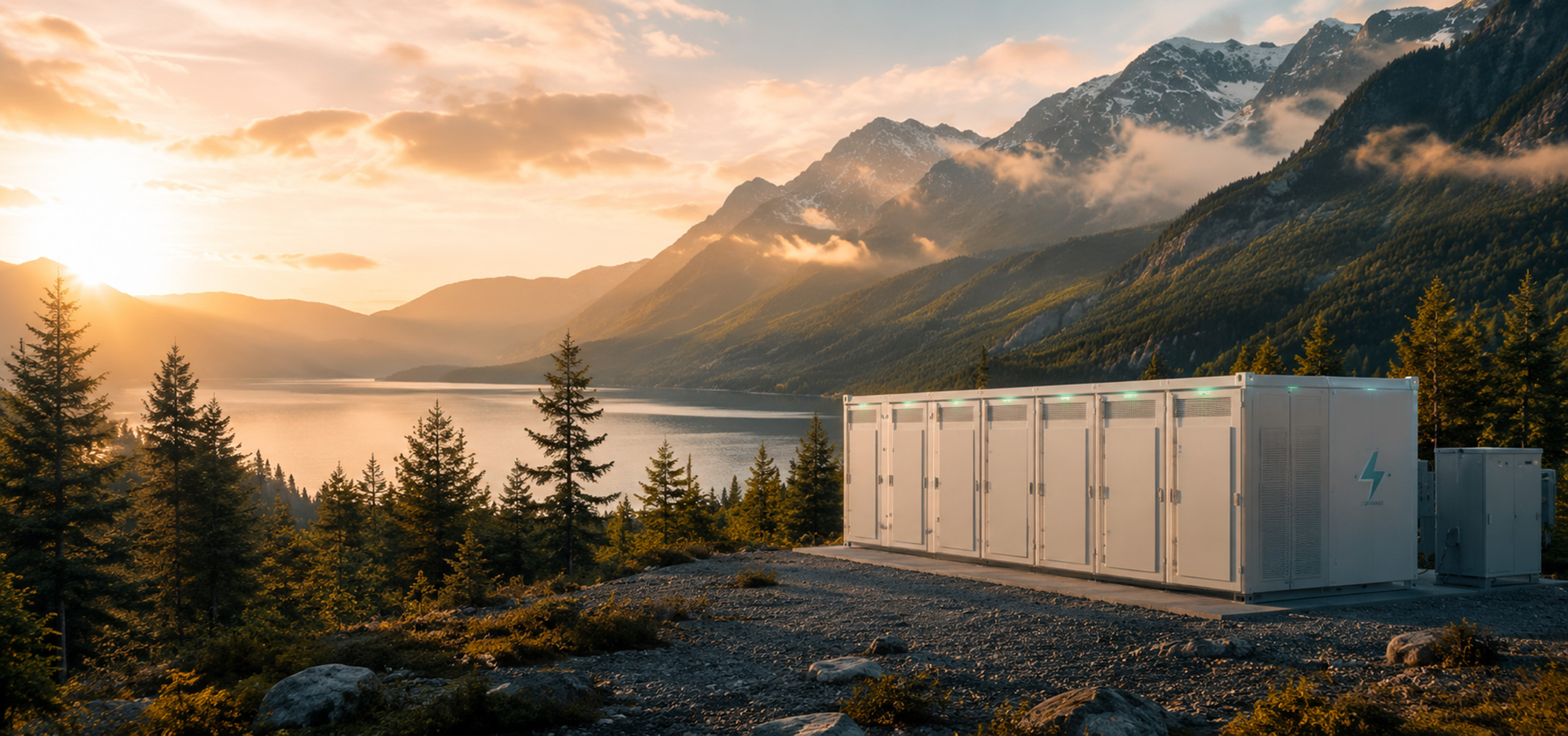
Across Western Canada and beyond, utilities, municipalities, industrial facilities, and renewable energy developers are investing heavily in battery storage to help modernize electrical infrastructure. As electricity demand grows—driven by electrification, electric vehicles, data centres, and expanding renewable generation—Battery Energy Storage Systems are playing a critical role in maintaining a stable, reliable, and flexible power grid.
What is a Battery Energy Storage System?
A Battery Energy Storage System (BESS) is exactly what its name suggests: a system that stores electrical energy in rechargeable batteries and delivers that energy back to the electrical grid or a facility when it is needed.
However, a modern BESS is far more than a collection of batteries. A complete system typically includes:
- Battery modules (commonly lithium-ion, but increasingly sodium-ion and other emerging chemistries)
- Battery management systems (BMS)
- Power conversion systems (PCS) or inverters
- Medium-voltage transformers
- Switchgear and protection equipment
- Energy management software
- Monitoring and communication systems
- Cooling and fire protection systems
Together, these components work as an intelligent energy management solution that continuously monitors grid conditions, battery health, and facility demand to optimize performance.
Why is Battery Storage Growing So Quickly?
Canada’s electricity landscape is changing faster than ever before. Population growth, electrification of transportation, industrial expansion, and ambitious carbon reduction targets are all placing new demands on the electrical grid.
At the same time, renewable energy sources such as wind and solar are becoming a larger part of the generation mix. While these technologies provide clean electricity, they are naturally variable—solar panels only generate power during daylight hours, and wind turbines depend on weather conditions.
Battery storage bridges this gap by storing excess energy when production exceeds demand and releasing it when demand increases or renewable generation declines.
This ability to shift energy through time helps utilities maximize renewable generation while maintaining grid stability and reducing reliance on traditional fossil fuel peaking plants.
Key Applications of Battery Energy Storage Systems
Grid Stability and Reliability
One of the primary benefits of BESS is its ability to stabilize the electrical grid.
Battery systems can respond in milliseconds to sudden changes in electricity demand or supply—far faster than conventional power plants. This rapid response helps maintain grid frequency and voltage, reducing the risk of outages and improving overall system reliability.
As Canada’s electrical infrastructure becomes increasingly complex, fast-acting battery storage is becoming an indispensable tool for grid operators.
Renewable Energy Integration
On sunny or windy days, renewable generation can exceed immediate electricity demand. Without storage, this excess energy may be curtailed or wasted.
Battery systems capture this surplus energy and discharge it later when renewable production decreases or customer demand rises.
The result is better utilization of renewable assets, improved grid efficiency, and reduced greenhouse gas emissions.
Peak Demand Reduction
Electricity demand fluctuates throughout the day.
During periods of high demand—known as peak demand—utilities must activate additional generation resources that are often more expensive to operate.
Battery Energy Storage Systems can discharge during these peak periods, reducing stress on the grid and lowering operating costs for utilities and large industrial customers.
For commercial and industrial facilities, this process—commonly called peak shaving—can significantly reduce demand charges on electricity bills while improving overall energy efficiency.
Emergency Backup Power
Traditionally, backup power has relied on diesel generators.
Today, many organizations are incorporating battery storage alongside—or in some cases replacing—traditional backup systems.
Hospitals, water treatment plants, emergency response facilities, telecommunications networks, and critical infrastructure increasingly rely on battery systems to provide immediate, uninterrupted power during outages.
Because batteries respond almost instantly, they eliminate the delay that often occurs while generators start and synchronize with the electrical system.
Supporting Remote Communities
Many remote communities across Canada still rely on diesel generation as their primary source of electricity.
By combining renewable energy with battery storage, these communities can reduce fuel consumption, lower operating costs, and decrease emissions while improving energy independence.
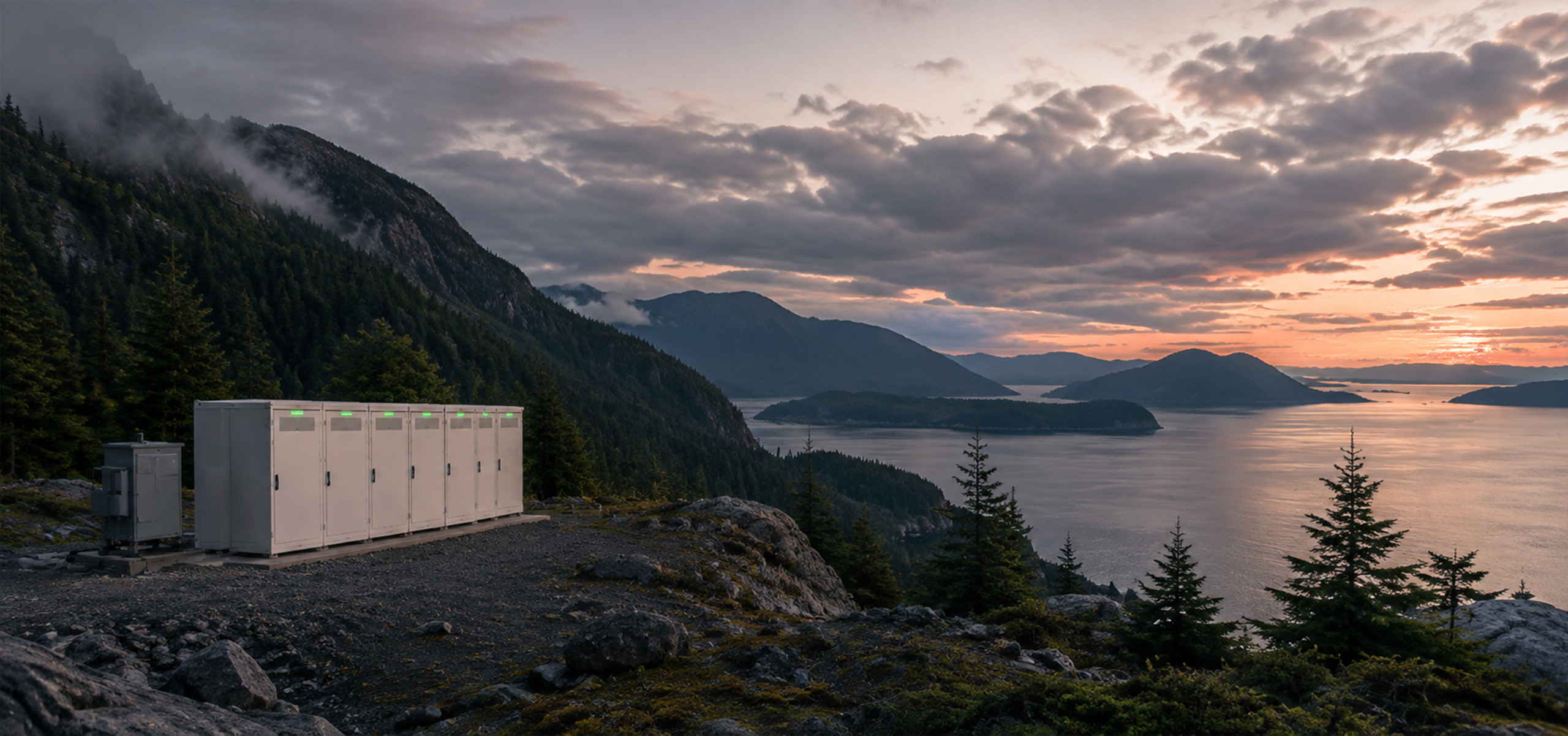
This approach is becoming particularly attractive in northern and remote regions where transporting diesel fuel is both expensive and environmentally challenging.
Battery Storage Across Western Canada
Western Canada is particularly well positioned to benefit from Battery Energy Storage Systems.
British Columbia continues to expand renewable generation while preparing for increased electricity demand from transportation electrification, industrial development, and population growth.
Alberta has become one of Canada’s fastest-growing renewable energy markets, with numerous wind and solar projects now incorporating battery storage to improve dispatch ability and grid performance.
Mining operations, LNG facilities, municipalities, water and wastewater infrastructure, and large industrial facilities throughout Western Canada are also evaluating battery storage as a means of improving operational resilience and reducing energy costs.
As the region’s electrical infrastructure continues to modernize, Battery Energy Storage Systems are expected to become an increasingly common component of both utility-scale and behind-the-meter installations.
The Infrastructure Behind Every Battery Storage Project
Although batteries often receive the most attention, they represent only one part of a much larger electrical system.
Every successful Battery Energy Storage System depends on robust electrical infrastructure to safely connect, control, protect, and distribute stored energy.
This includes:
- Medium-voltage switchgear
- Dry-type transformers
- Protection and control systems
- Power conversion equipment
- Metering and monitoring systems
- Communication networks
- Arc-resistant electrical equipment
- Utility interconnection infrastructure
Without these critical components, battery systems cannot operate safely, efficiently, or reliably.
As battery installations become larger and more sophisticated, the importance of high-quality electrical equipment continues to grow.
Looking Ahead
Battery Energy Storage Systems are no longer an emerging technology—they are becoming an essential component of Canada’s modern electrical grid.
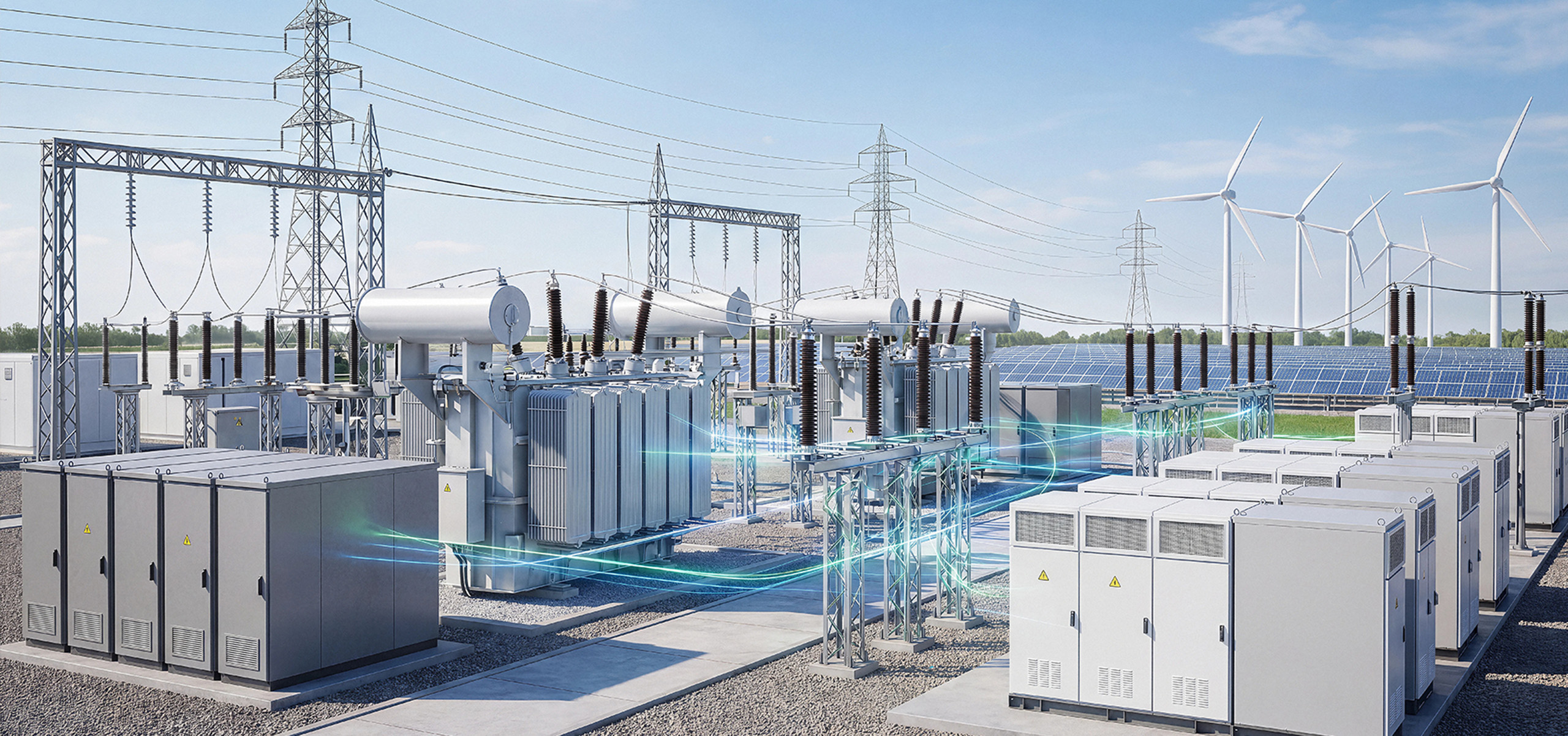
From supporting renewable energy integration and improving grid reliability to reducing operating costs and strengthening resilience, battery storage is transforming the way electricity is generated, managed, and delivered.
As utilities, municipalities, and industrial organizations invest in cleaner and more flexible energy solutions, Battery Energy Storage Systems will continue to play a central role in building a smarter, more resilient electrical infrastructure.
For organizations planning new renewable energy projects, upgrading electrical facilities, or expanding power capacity, understanding how battery storage integrates with the broader electrical system is becoming increasingly important.
How Arbutus West Agency Supports the Energy Transition
At Arbutus West Agency Ltd., we understand that successful energy storage projects require much more than batteries alone. Reliable electrical infrastructure is the foundation that allows these systems to perform safely and efficiently for decades.
Working alongside leading manufacturers, we provide engineered solutions that support utility, industrial, municipal, and renewable energy projects across Western Canada. From medium-voltage switchgear and dry-type transformers to protection, control, and power distribution equipment, our team helps engineers, contractors, and end users select the right technologies for today’s evolving electrical grid.
As Battery Energy Storage Systems continue to reshape Canada’s energy landscape, Arbutus West Agency remains committed to helping customers build resilient, reliable, and future-ready power systems.