

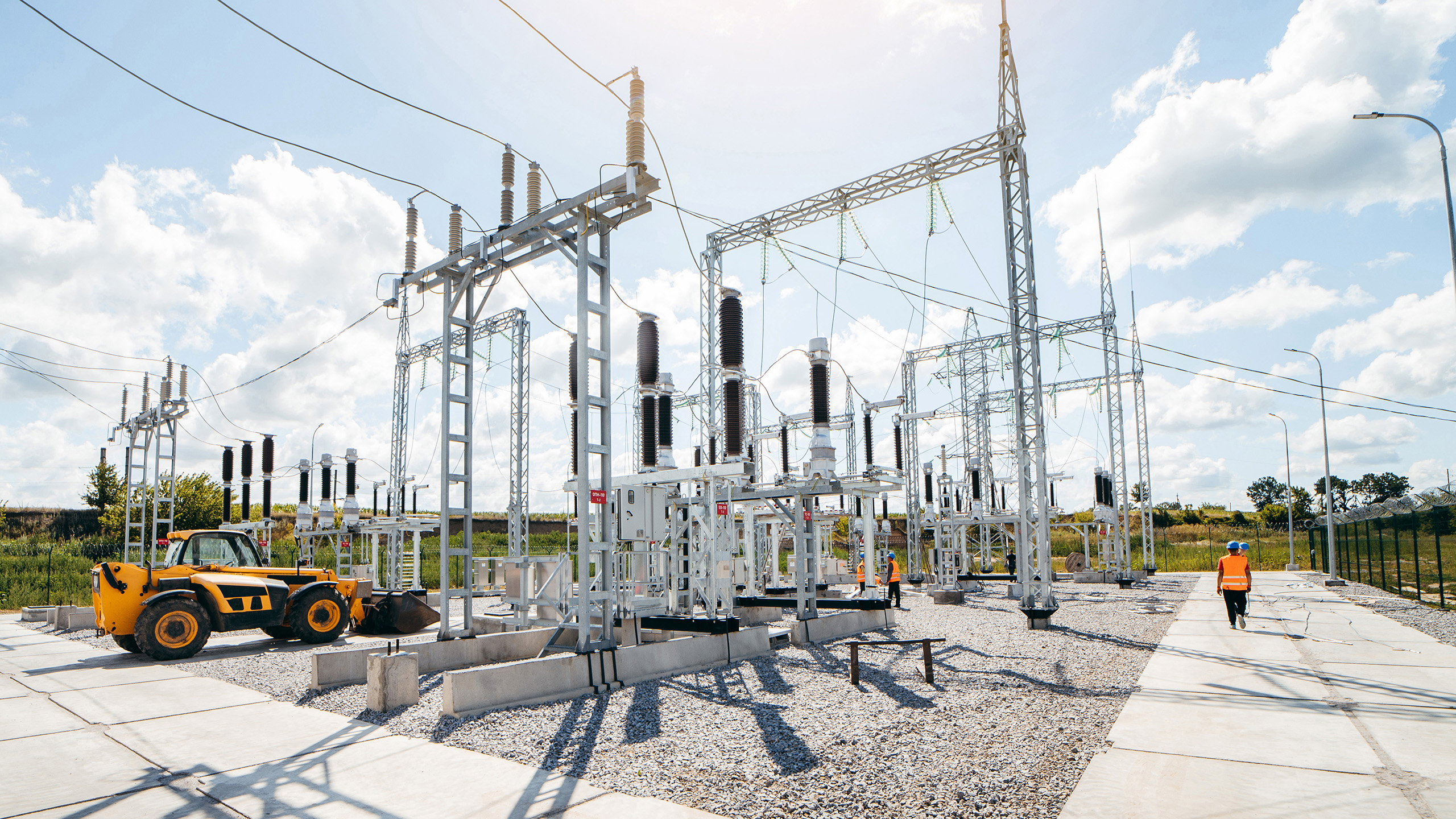
The Value of Having a Single Point of Contact Across Multiple Manufacturers
In today’s increasingly complex electrical infrastructure environment, projects rarely rely on a single manufacturer or equipment provider. From switchgear and transformers to power quality solutions and control systems, modern projects often involve products from multiple manufacturers working together within the same electrical ecosystem.
For engineers, contractors, and facility owners across British Columbia and Western Canada, coordinating these moving pieces can quickly become challenging. Managing multiple vendor relationships, tracking technical information, and navigating varying lead times can add unnecessary complexity to projects that are already demanding enough.
That’s why more organizations are recognizing the value of having a single, knowledgeable point of contact across multiple electrical equipment manufacturers. Beyond convenience, this approach can improve communication, reduce project risk, and create more efficient outcomes throughout the lifecycle of a project.
The Growing Complexity of Modern Power Projects
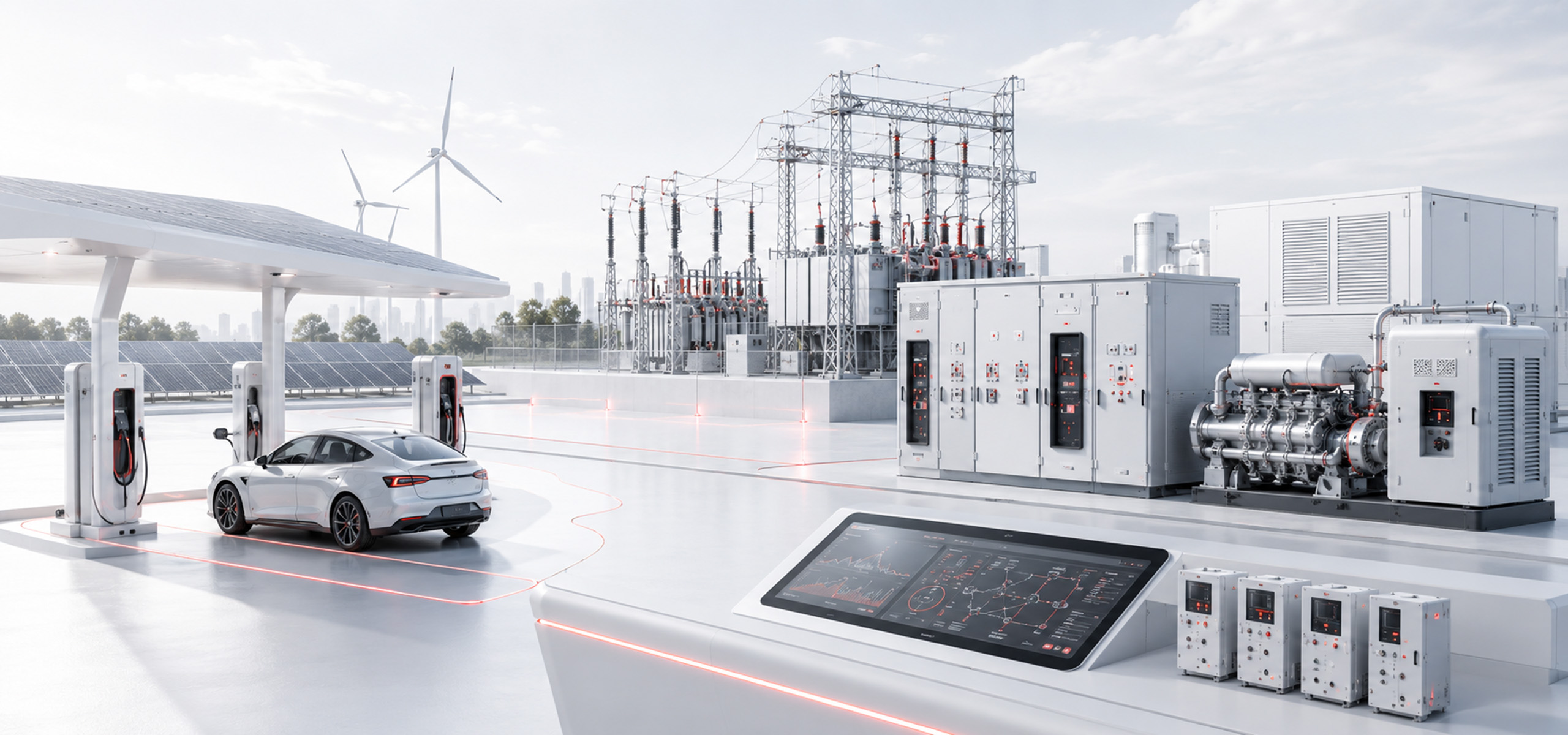
Electrical systems are evolving rapidly. Facilities today must support:
- Higher power demands
- Electrification initiatives
- Renewable energy integration
- EV charging infrastructure
- Advanced automation and monitoring systems
As a result, projects often require equipment from several specialized manufacturers rather than one all-encompassing supplier.
For example, a single project may involve:
- Medium-voltage equipment
- Power quality solutions
- Backup power systems
- Protection and control equipment
- Monitoring and metering technologies
Each manufacturer brings its own documentation, technical specifications, timelines, and support processes. Without coordination, communication gaps can emerge quickly.
Simplifying Communication Across Stakeholders
One of the biggest advantages of working with a single manufacturer representative or agency is simplified communication.
Rather than coordinating with multiple contacts across different companies, engineers and project teams can work through one centralized resource that understands:
- The project scope
- Equipment compatibility
- Technical requirements
- Manufacturer capabilities
- Scheduling considerations
This streamlines the flow of information and helps reduce the risk of conflicting recommendations or overlooked details.
In fast-paced construction and infrastructure environments, timely communication can have a direct impact on project schedules and decision-making. A centralized point of contact helps keep projects moving efficiently while reducing administrative burden for engineers, contractors, and owners.
Better Coordination Between Equipment Manufacturers
Electrical systems do not operate in isolation. Equipment from multiple manufacturers must function together reliably within the same system.
Having a single representative overseeing multiple product lines can improve:
- System compatibility
- Equipment integration
- Technical coordination
- Specification alignment
- Troubleshooting during commissioning
This is particularly important for industrial and infrastructure projects throughout Western Canada, where downtime or design revisions can become costly very quickly.
When manufacturers operate independently without coordination, inconsistencies can arise in:
- Technical documentation
- Communication protocols
- Equipment dimensions
- Protection settings
- Lead time expectations
A knowledgeable representative helps bridge those gaps before they become project issues.
Saving Time During the Design Phase
Consulting engineers and design teams are often balancing tight schedules while managing increasingly sophisticated projects. Coordinating multiple manufacturers independently can consume valuable engineering time.

A single point of contact can help simplify the design process by:
- Providing coordinated technical information
- Assisting with equipment selection
- Helping identify compatible solutions
- Streamlining specification development
- Facilitating quicker responses to RFIs and design questions
This collaborative approach helps engineers focus more on system design and less on administrative coordination.
For projects in British Columbia and Western Canada, where utility requirements and environmental conditions can vary significantly, local technical support also adds important regional insight during the design phase.
Improved Support During Construction and Commissioning
The benefits of centralized manufacturer representation continue well beyond the design stage.
During construction and commissioning, projects often encounter:
- Schedule adjustments
- Equipment substitutions
- Site-specific challenges
- Coordination issues between trades
- Startup and testing requirements
Having a single contact familiar with multiple manufacturers and the overall project scope can significantly improve responsiveness during these critical stages.
Instead of navigating several support channels, project teams can work with a trusted resource that already understands the system architecture and project objectives.
This can help reduce delays, simplify issue resolution, and improve overall project execution.
Supporting Long-Term Reliability and Maintenance
Electrical infrastructure is a long-term investment. Once systems are operational, owners and facility managers benefit from having ongoing access to knowledgeable technical support.
A centralized representative can assist with:
- Future expansions and upgrades
- Replacement equipment coordination
- Technical documentation access
- Warranty support
- Long-term manufacturer relationships
This continuity becomes especially valuable in industrial and mission-critical environments where system reliability is essential.
In Western Canada’s demanding operating conditions—including remote sites, harsh weather environments, and heavy industrial applications—consistent long-term support can make a meaningful difference in system performance and operational efficiency.
The Value of Local Expertise in Western Canada
Projects across British Columbia and Western Canada face unique challenges related to geography, climate, infrastructure growth, and industrial demand. Local knowledge matters.

Working with a regional electrical manufacturer representative provides insight into:
- Utility standards and regional requirements
- Environmental considerations
- Seismic design expectations in BC
- Local industry trends and project demands
- Product suitability for Western Canadian conditions
This localized understanding helps ensure equipment solutions are not only technically compliant, but also practical for the environments in which they will operate.
Conclusion
As electrical systems become more interconnected and projects grow increasingly complex, the value of streamlined communication and coordinated technical support continues to grow.
Having a single point of contact across multiple manufacturers helps simplify project management, improve equipment coordination, reduce inefficiencies, and support better long-term outcomes for engineers, contractors, and facility owners alike.
For organizations operating in British Columbia and Western Canada, partnering with a knowledgeable local agency can also provide the added benefit of regional expertise and responsive support throughout every stage of a project. With experience connecting manufacturers, engineers, and end users, Arbutus West Agency helps clients navigate complex electrical infrastructure projects with solutions tailored to the realities of Western Canada’s evolving power landscape.