


Behind the Grid: The Workforce Powering British Columbia’s Energy Transition
British Columbia’s power grid is under pressure.
Prolonged drought conditions, rising electricity demand, and the ongoing push toward electrification are reshaping how energy is generated and delivered across the province. Much of the focus has been placed on infrastructure—dams, transmission lines, and renewable energy projects—but there’s another critical piece of the puzzle that often goes overlooked:
The people and partnerships required to deliver it all.
As utilities like BC Hydro respond to changing conditions, the challenge isn’t just about producing enough power—it’s about ensuring projects can be executed efficiently, safely, and on schedule.
A System Under Strain
British Columbia has long relied on hydroelectric generation as the backbone of its energy system. Facilities such as the W. A. C. Bennett Dam and the Site C Dam play a central role in meeting the province’s electricity needs.
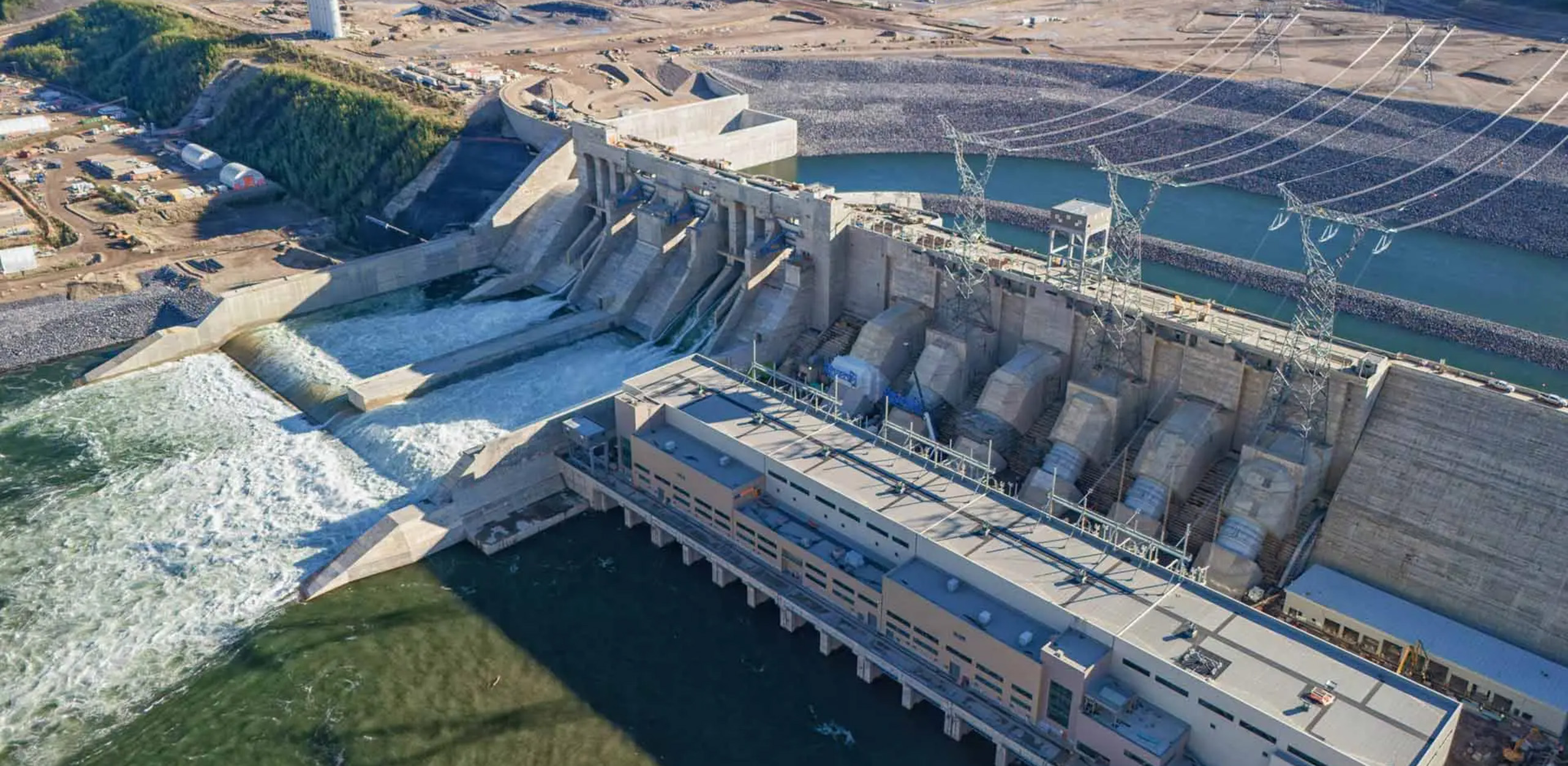
However, ongoing drought conditions have highlighted the vulnerability of even the most established systems. Reduced water levels mean less generation capacity, forcing utilities to:
- Import electricity from external markets
- Optimize existing infrastructure
- Accelerate new project development
At the same time, demand continues to grow—driven by electrification, population increases, and expanding industrial activity.
The result is a power system that is not only more complex, but also operating under tighter timelines and greater pressure.
The Hidden Bottleneck: Workforce and Project Delivery
While infrastructure investment is critical, projects don’t move forward without the right people in place.
Across British Columbia, the energy sector is facing increasing challenges related to:
1. Skilled Labour Availability
Demand for experienced electricians, technicians, and project personnel is rising, particularly as multiple large-scale projects move forward simultaneously.
2. Project Coordination
Modern energy projects involve a wide range of stakeholders, including:
- Utilities
- Engineering firms
- Contractors
- Equipment suppliers
Coordinating these moving parts requires careful planning and strong communication.
3. Compressed Timelines
With growing demand and evolving energy targets, projects are expected to move faster than ever—leaving little room for delays or misalignment.
4. Geographic Challenges
Many infrastructure projects are located in remote or hard-to-access areas, adding another layer of complexity to workforce mobilization and logistics.
Lessons from Mega Projects
Large-scale developments like the Site C Dam highlight just how complex energy infrastructure delivery can be.
Projects of this magnitude require:
- Long-term workforce planning
- Reliable supply chains
- Strong collaboration between partners
- The ability to adapt to changing conditions
Even smaller projects across the province are beginning to face similar challenges as demand increases and timelines tighten.
Why Coordination Matters More Than Ever
As the energy landscape evolves, success is no longer defined solely by engineering excellence. It also depends on how effectively projects are supported behind the scenes.
Aligning the Right Resources
Ensuring the right people are in the right place at the right time is essential for keeping projects on track. Delays in staffing or coordination can quickly lead to:
- Missed deadlines
- Increased costs
- Reduced efficiency
Supporting Technical Execution
Even the most advanced infrastructure relies on skilled teams to bring it online. From installation to commissioning, coordination plays a key role in ensuring technical work is completed safely and effectively.

For a deeper look at the technical side of grid reliability and how drought is impacting system performance, explore our companion article on how British Columbia’s power grid is adapting to changing conditions.
Enabling Long-Term Reliability
A well-executed project doesn’t just meet immediate goals—it sets the stage for long-term performance. Proper coordination during development helps ensure systems operate as intended well into the future.
Adapting to a Changing Energy Landscape
British Columbia’s energy sector is entering a new phase—one defined by both opportunity and complexity.
Electrification Is Accelerating
As industries and communities transition away from fossil fuels, demand for electricity will continue to rise. This creates a growing pipeline of projects requiring skilled labour and coordinated delivery.
Infrastructure Investment Is Increasing
Utilities and developers are investing heavily in new infrastructure to support future demand. This includes:
- Generation projects
- Transmission upgrades
- Grid modernization initiatives
Each of these efforts depends on effective workforce planning and execution.
Expectations Are Higher
With more at stake, expectations around project delivery have never been greater. Reliability, efficiency, and safety are all critical—and achieving them requires alignment across every stage of a project.
Building the Teams Behind the Infrastructure
As British Columbia’s power grid evolves, the importance of workforce strategy and project coordination will only continue to grow.
At Arbutus West Agency, we work alongside industry partners to help connect projects with the people, resources, and relationships needed to move them forward. By supporting workforce alignment and project delivery, we help ensure that critical infrastructure is not only built—but built successfully.
Because in today’s energy environment, powering the future isn’t just about infrastructure—it’s about the teams behind it.