

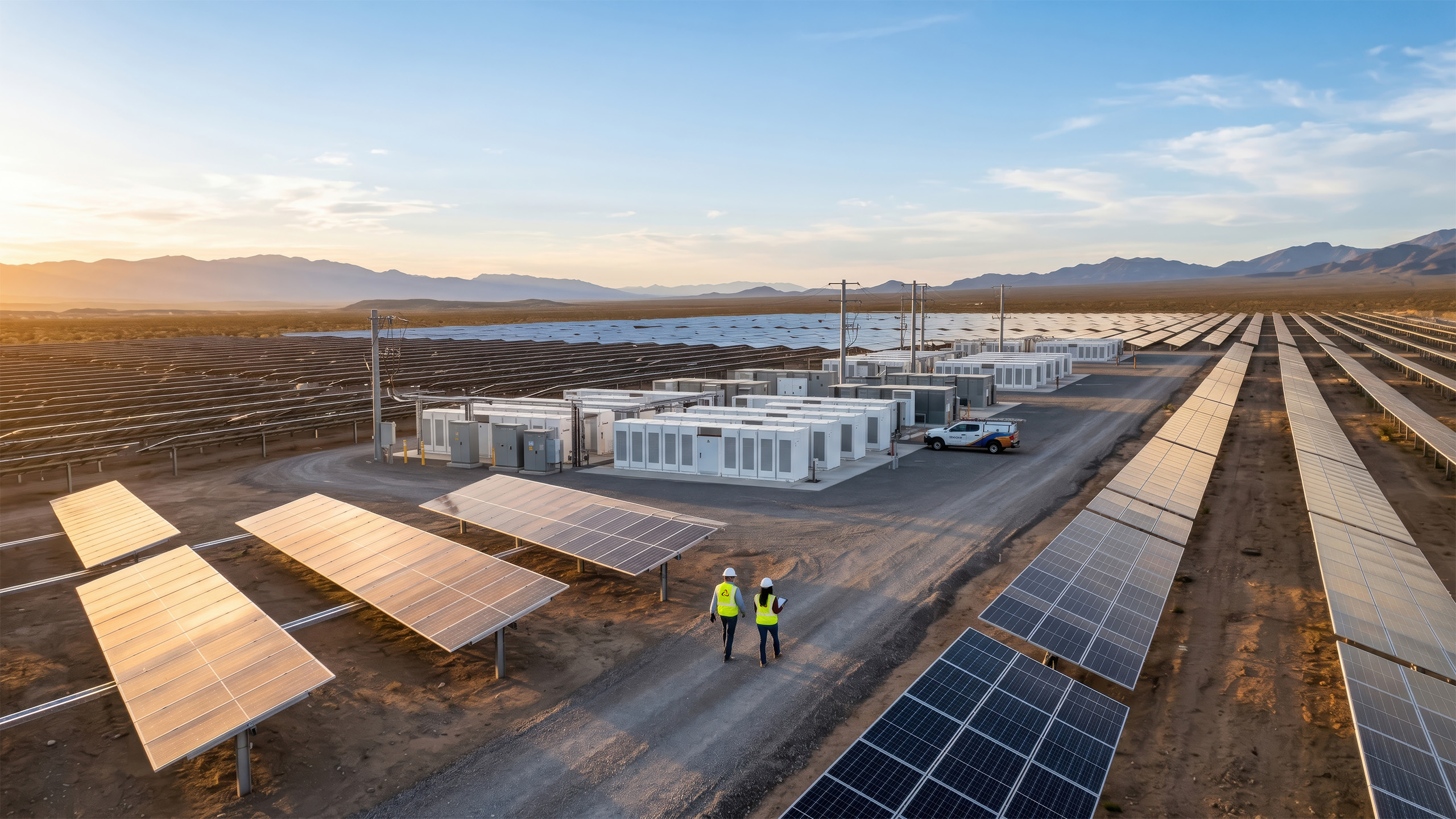
Solar Is Changing: The New Technologies Expanding Where Solar Power Can Be Used
Solar energy has come a long way from the traditional rooftop panel.
For years, the most familiar image of solar power has been a row of photovoltaic (PV) panels installed on the roof of a home or large commercial building. While rooftop solar remains an important application, the technology is evolving rapidly.
Today’s solar industry is exploring new panel designs, higher-efficiency technologies, building-integrated systems, vertical installations, agricultural applications and smaller battery storage systems that allow solar energy to be used when the sun is no longer shining.
For Canada and particularly Western Canada—these developments could expand where and how solar power can contribute to the electrical system.
Solar Is Becoming More Than a Rooftop Technology
At its core, photovoltaic technology remains relatively straightforward: solar cells convert sunlight into electricity.
What is changing is how those cells are being designed, installed and integrated into the built environment.
Solar systems can now be found in applications ranging from residential rooftops and commercial buildings to industrial facilities, remote communities, agricultural operations and large-scale renewable energy projects.
Natural Resources Canada recognizes both building-applied photovoltaics (BAPV), where solar systems are added to an existing building, and building-integrated photovoltaics (BIPV), where solar technology becomes part of the building itself. BIPV can be incorporated into roofs, façades, windows, skylights, shading systems and other building components.
This shift opens up a much larger opportunity: instead of asking, “Where can we put solar panels?” the question increasingly becomes, “Where can we turn available surfaces into energy-generating assets?”
New Solar Panel Technologies
Traditional crystalline silicon panels continue to dominate the market, but manufacturers and researchers are developing technologies designed to produce more electricity from the same available space.
Bifacial Solar Panels
Bifacial panels can generate electricity from both sides of the module.
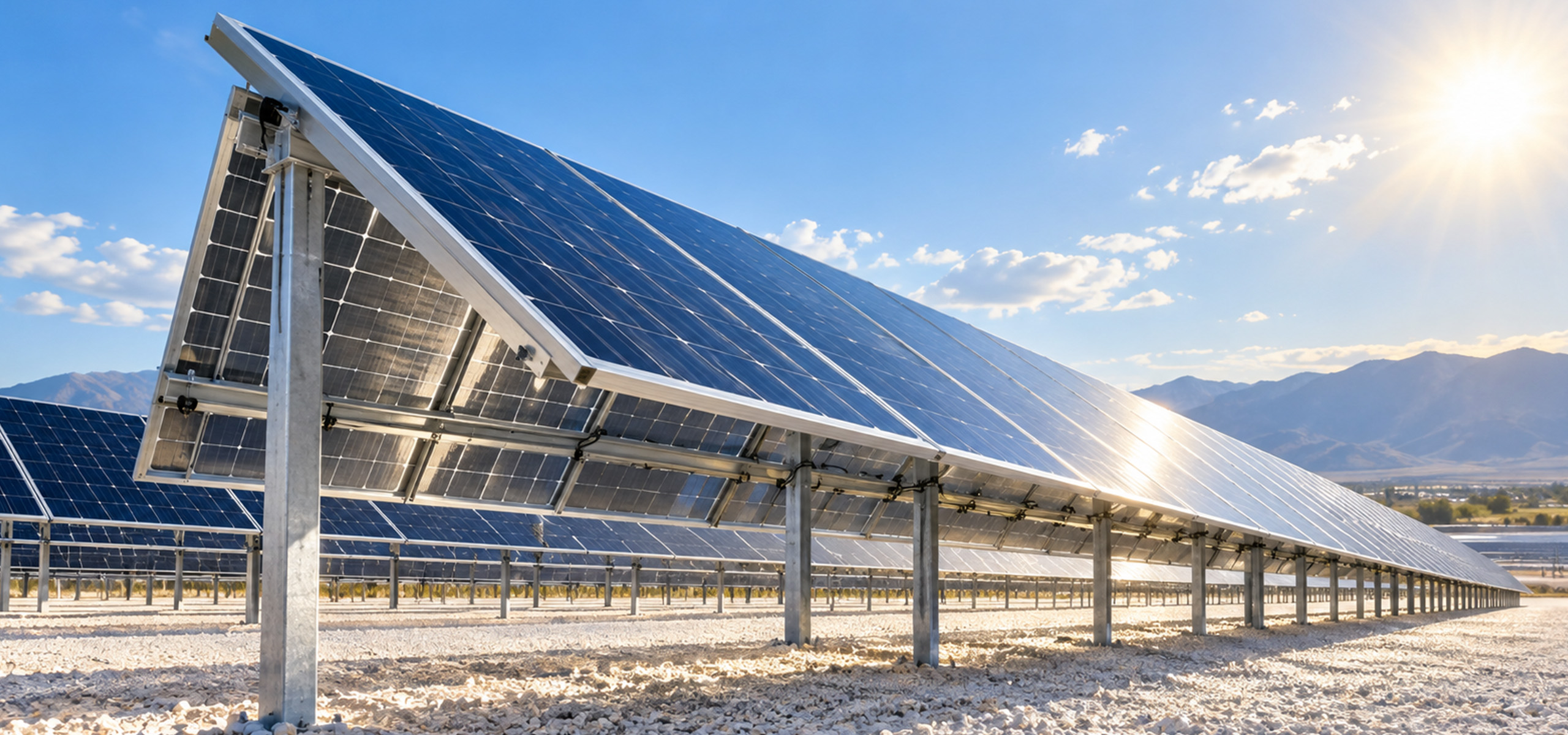
Rather than only capturing sunlight hitting the front surface, these panels can also capture reflected light reaching the rear of the panel. Depending on the installation, ground conditions, mounting height and surrounding surfaces, this can increase total energy production.
Bifacial technology can be particularly attractive for utility-scale solar projects, commercial installations and locations where the surrounding environment provides significant reflected light.
Higher-Efficiency Solar Cells
Improving efficiency is another major area of solar research.
The goal is straightforward: generate more electricity from the same amount of surface area.
Research is advancing in areas such as perovskite solar cells and tandem solar technologies, which combine different photovoltaic materials to capture a broader portion of the solar spectrum. While some of these technologies remain at different stages of commercialization, they demonstrate the direction in which the industry is moving.
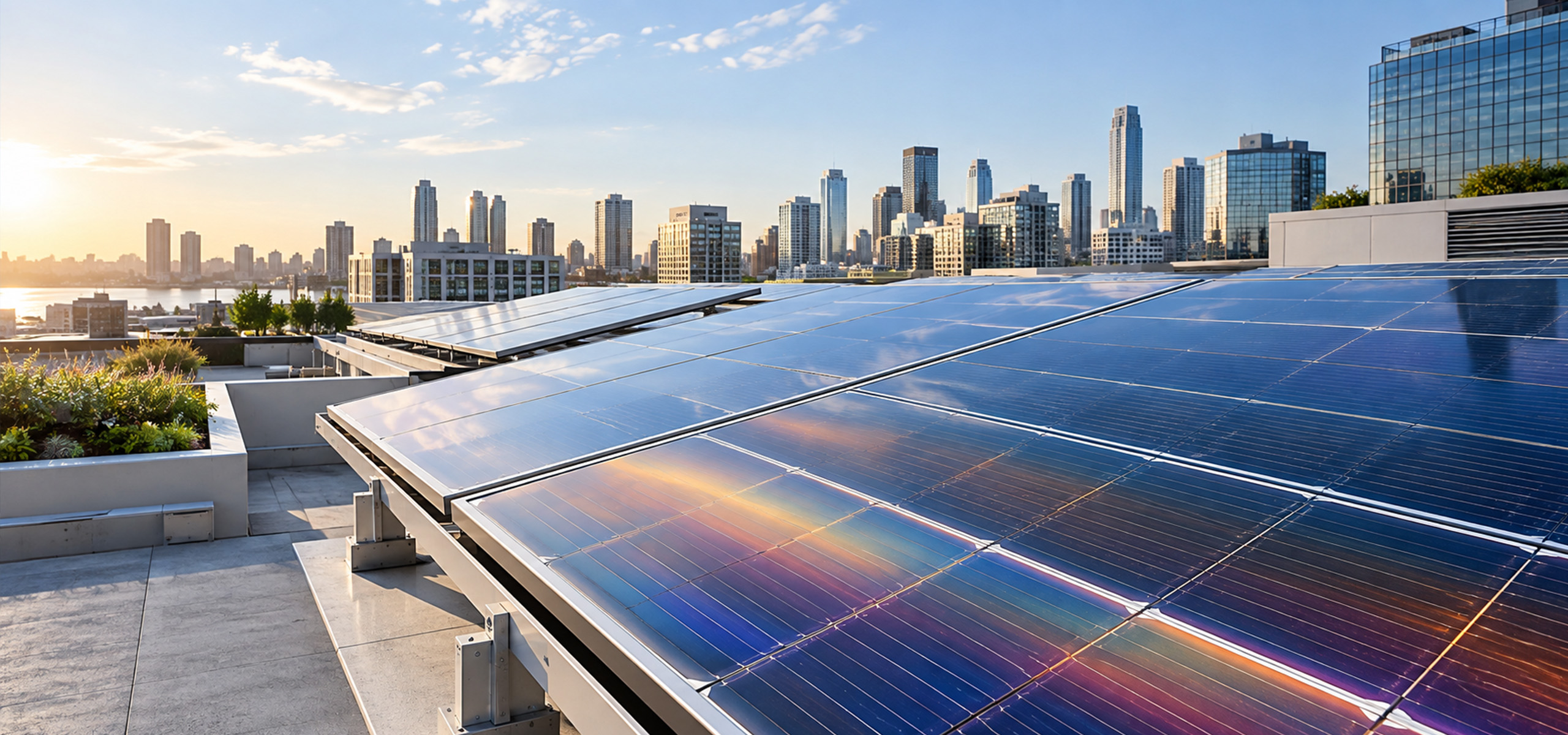
Higher-efficiency panels could become particularly valuable where available space is limited, including commercial rooftops, urban buildings and industrial facilities.
Solar Panels Don’t Always Have to Be Flat
One of the more interesting developments is the increasing variety of ways solar panels can be installed.
In April 2026, BC Hydro highlighted a new vertical solar installation at Science World in Vancouver, featuring 76 vertically mounted panels alongside 298 conventional rooftop photovoltaic panels. The installation is part of a larger energy retrofit designed to significantly reduce the building’s energy consumption and greenhouse gas emissions.
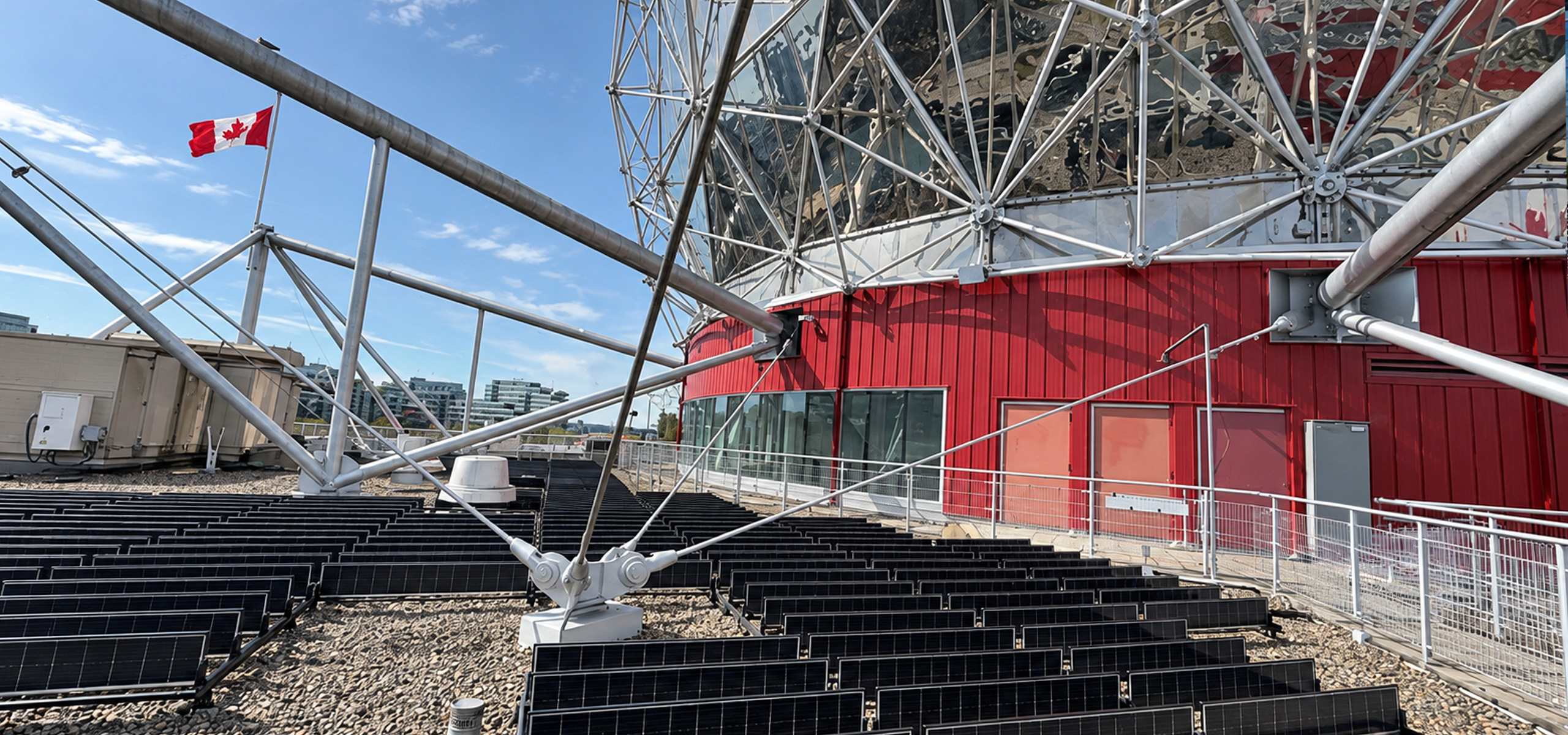
Vertical solar can offer advantages in applications where traditional roof-mounted panels are impractical or where available wall and façade space can be utilized.
It also demonstrates an important shift in thinking: solar generation does not necessarily have to compete for traditional rooftop space.
Building-Integrated Solar
Building-integrated photovoltaics take that idea even further.
Instead of attaching panels to a building, BIPV incorporates photovoltaic technology directly into the building envelope.
Solar technology can be integrated into:
- Roofs and roofing materials
- Building façades
- Curtain walls
- Skylights
- Windows
- Balcony railings
- Shading structures
The result is a building component that can perform its traditional function while also generating electricity.
For architects, developers and building owners, this could make solar generation part of the original building design rather than an additional piece of equipment installed afterward.
Natural Resources Canada notes that BIPV can also provide benefits such as weather protection, shading, thermal insulation and daylighting, depending on the application.
Solar and Agriculture: A Potential New Opportunity
Another emerging application is agrivoltaics — the combination of agricultural production and solar energy generation on the same land.
Rather than treating solar and agriculture as competing land uses, agrivoltaic projects explore ways for crops and photovoltaic systems to coexist.
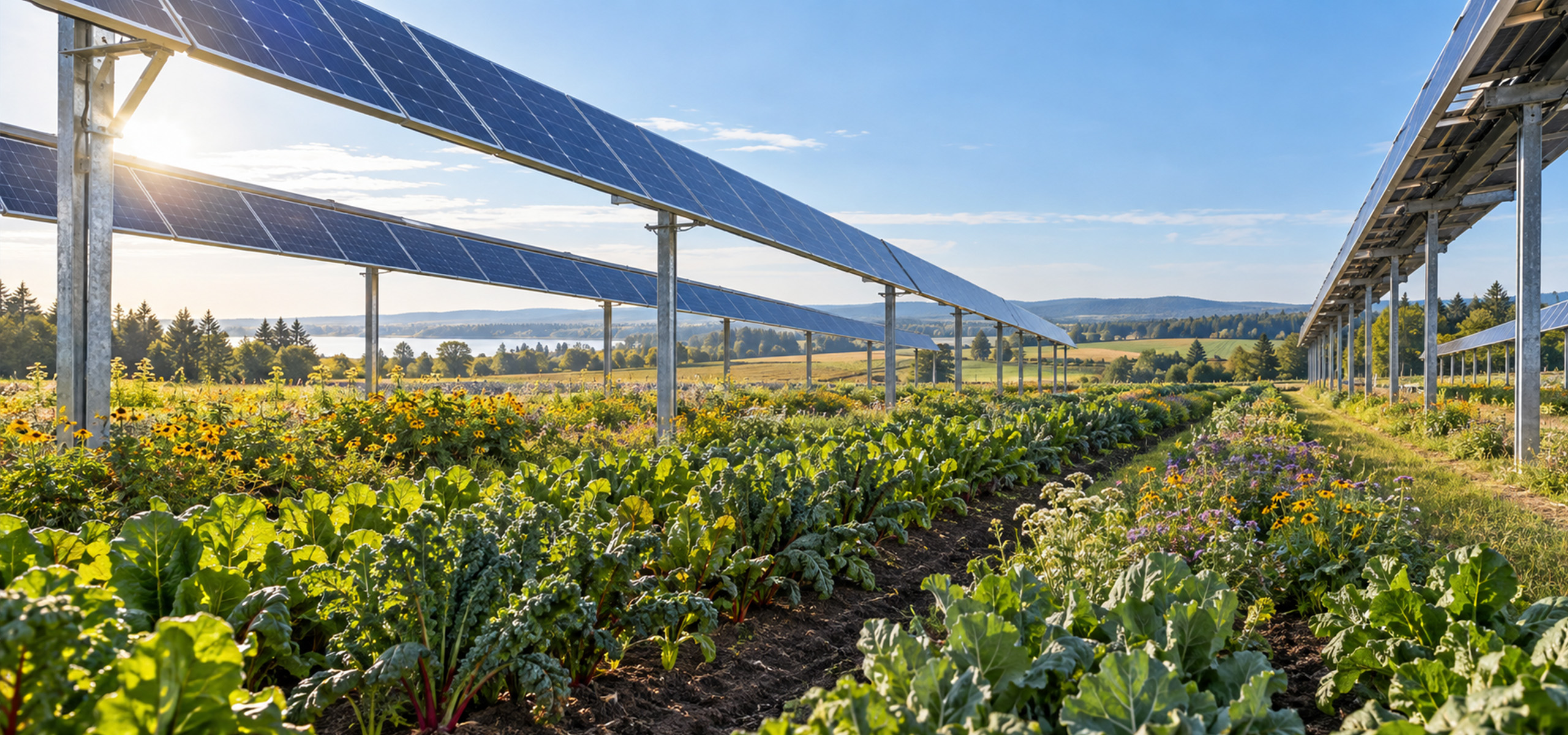
Canada is beginning to investigate this opportunity more closely. Natural Resources Canada’s 2026 renewable energy demonstration programming includes agrivoltaics among the innovative solar applications being supported, while an active Ontario project is examining how large-scale solar can be integrated with crop production without reducing agricultural productivity.
For rural communities and agricultural producers, this could create another pathway for renewable energy generation while maintaining productive land uses.
The Missing Piece: Energy Storage
Generating electricity from solar is only half of the equation.
The sun does not shine continuously, and electricity demand does not necessarily occur at the same time that solar production is at its highest.
This is where Battery Energy Storage Systems (BESS) become increasingly important.
A solar-plus-storage system can capture excess electricity during periods of strong solar production and store it for later use.
For example:
Solar generation during the day → Battery charges → Electricity used later
Instead of sending all excess generation immediately to the grid, a facility can store some of that energy and use it when solar production decreases.
This can make solar power more flexible and increase the value of the energy generated by the system.
Smaller Battery Systems Are Opening New Possibilities
Large utility-scale battery projects are receiving significant attention, but smaller storage systems may be equally important in the long term.
Residential, commercial and industrial customers can use smaller batteries to:
- Store excess solar generation
- Provide backup power
- Reduce peak electricity demand
- Increase energy independence
- Shift electricity consumption
- Support critical loads during outages
In British Columbia, interest in customer-owned solar and battery systems is already growing. BC Hydro reported more than 17,000 customers participating in self-generation as of February 2026, with the majority using solar photovoltaic systems. Some customers are also pairing solar with batteries to store excess energy or provide backup power.
BC Hydro has also expanded programs supporting solar and battery installations, demonstrating the increasing role these technologies can play at the customer level.
Why This Matters for Western Canada
Western Canada presents a diverse range of opportunities for solar technology.
Urban buildings can use rooftops, façades and vertical surfaces.
Industrial facilities can combine solar with battery storage to offset electricity consumption and improve resilience.
Agricultural operations can explore solar installations alongside productive land.
Remote communities and industrial sites can combine solar, batteries and other generation sources to reduce reliance on diesel.
Large renewable energy projects can use advanced photovoltaic technologies and battery storage to deliver more flexible electricity to the grid.
The technology is becoming increasingly adaptable to the application rather than requiring every project to follow the same model.
Solar Still Needs Strong Electrical Infrastructure
As solar systems become more sophisticated, the electrical infrastructure supporting them becomes increasingly important.
Solar installations must safely connect generation to buildings, industrial facilities or the utility grid. Depending on the size and application, this can require:
- Inverters and power conversion equipment
- Transformers
- Switchgear
- Protection and control systems
- Metering
- Disconnect equipment
- Energy management systems
- Battery storage
- Utility interconnection equipment
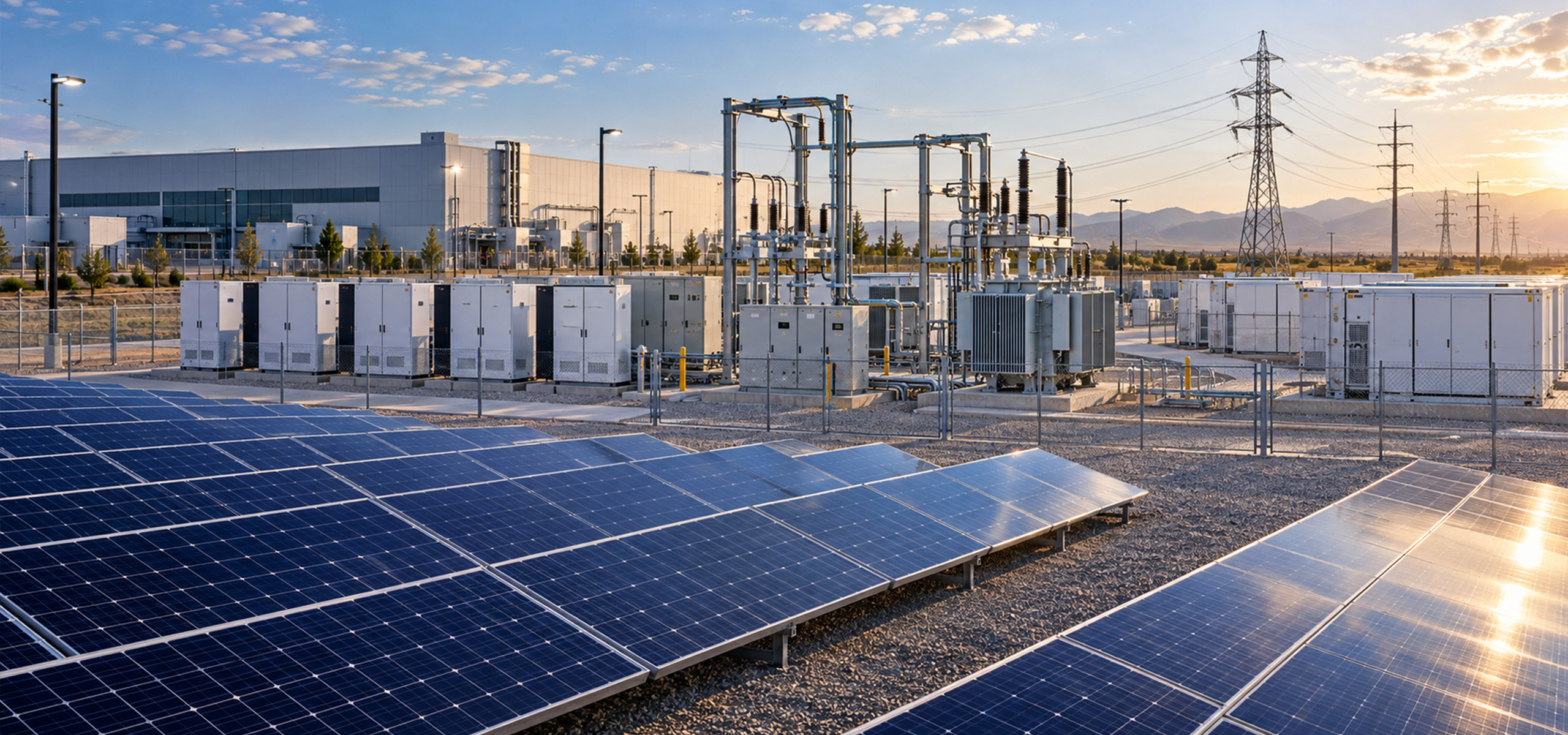
For larger installations, proper electrical design and coordination are essential to ensuring that solar generation operates safely and reliably alongside the existing power system.
This is especially important as solar becomes integrated with battery storage and other distributed energy resources.
The Future of Solar May Look Very Different
The future of solar energy is unlikely to be defined by one particular panel or technology.
Instead, it will be defined by flexibility.
Solar panels may be installed on rooftops, walls, façades, parking structures, agricultural land and other previously underutilized spaces. Higher-efficiency and emerging photovoltaic technologies may allow more electricity to be produced from smaller areas. Battery storage can capture that energy and make it available when it is needed.
Together, these technologies are transforming solar from a simple electricity-generation system into a more flexible component of the broader electrical grid.
For Canada and Western Canada, that evolution could be particularly valuable as electricity demand continues to grow and utilities, businesses and communities look for new ways to produce, store and manage power.
Supporting the Next Generation of Solar Projects
At Arbutus West Agency Ltd., we understand that the transition toward new energy technologies depends on more than generation equipment alone.
Solar, battery storage and other distributed energy resources must ultimately connect to reliable electrical infrastructure. Transformers, switchgear, protection and control systems, and power distribution equipment all play important roles in making these systems work safely and effectively.
As solar technology continues to evolve from traditional rooftop panels to building-integrated systems, advanced photovoltaic technologies and solar-plus-storage applications, Arbutus West Agency is committed to helping engineers, contractors and end users navigate the electrical infrastructure required for the next generation of energy projects across Western Canada.