


Wildfire Risk Management: Protecting Electrical Assets in Western Canada
Wildfires are no longer a seasonal concern in Western Canada — they are a defining operational challenge for the electrical energy industry. From prolonged drought conditions in British Columbia to high-wind grassland fires in Alberta and Saskatchewan, utilities are facing increasing environmental threats that demand a fundamental shift in how electrical infrastructure is designed, maintained, and operated.
For organizations responsible for generation, transmission, and distribution, wildfire risk management is now central to protecting critical assets, ensuring grid reliability, and safeguarding communities.
The Growing Wildfire Challenge in Western Canada
Western Canada has experienced record-breaking wildfire seasons in recent years, with widespread impacts across Canada and particularly in British Columbia and Alberta. Extended heat waves, reduced snowpack, pest-affected forests, and shifting precipitation patterns have created ideal ignition and spread conditions.
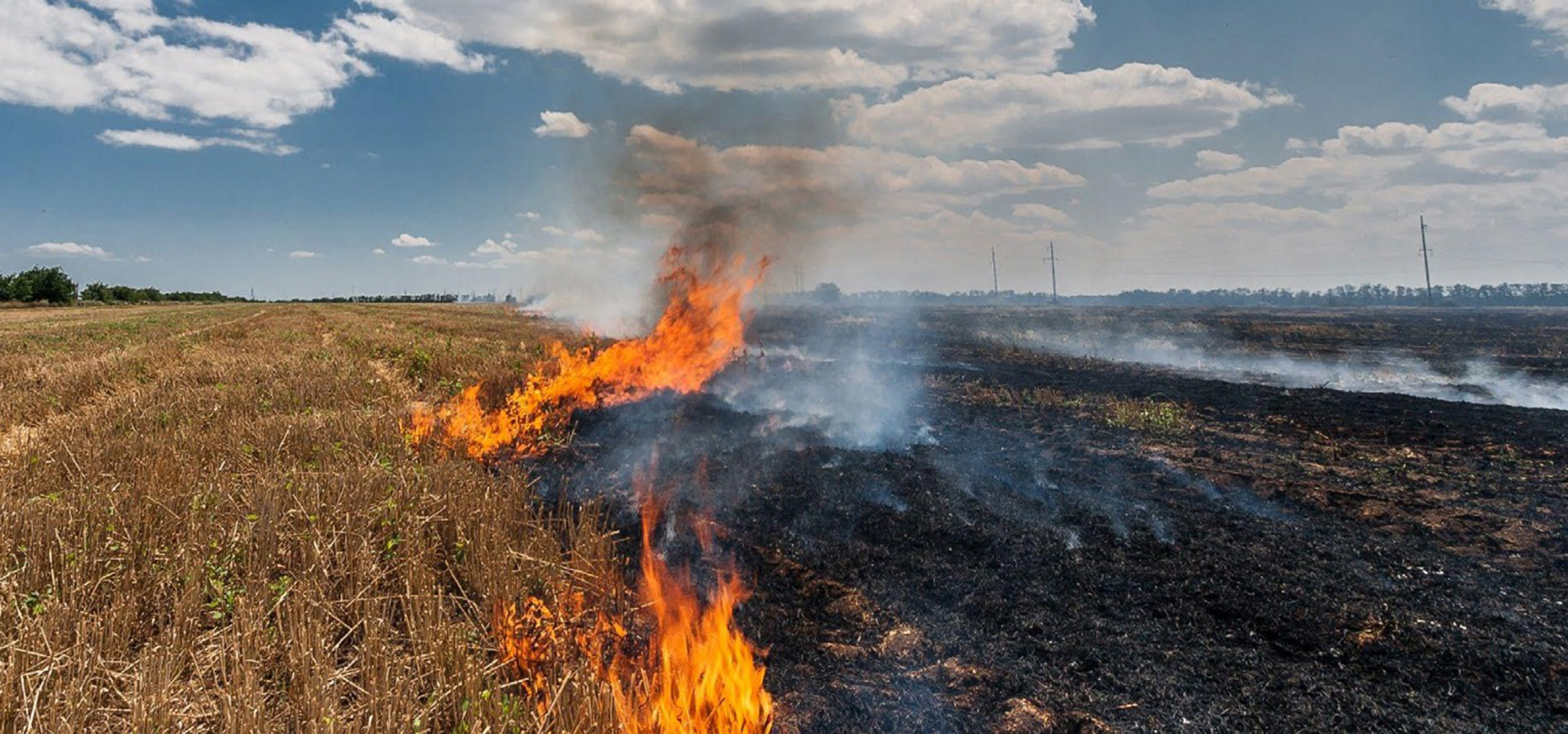
For the electrical energy sector, this presents two interconnected risks:
- Wildfires damaging electrical assets such as transmission towers, substations, distribution lines, and control systems.
- Electrical infrastructure contributing to ignition events, particularly during extreme wind or vegetation contact.
Utilities such as BC Hydro and AltaLink have responded with enhanced wildfire mitigation programs, recognizing that infrastructure resilience is no longer optional — it is foundational.
Why Electrical Infrastructure Is Vulnerable
Electrical assets span vast and often remote terrain — forests, mountain corridors, and rural grasslands. Transmission lines frequently cross heavily forested areas, while distribution systems serve communities embedded in the wildland–urban interface.
Key vulnerabilities include:
- Overhead conductors exposed to high winds
- Vegetation encroachment within rights-of-way
- Aging wooden poles and crossarms
- Substations located near combustible fuel sources
- Limited access during active wildfire events
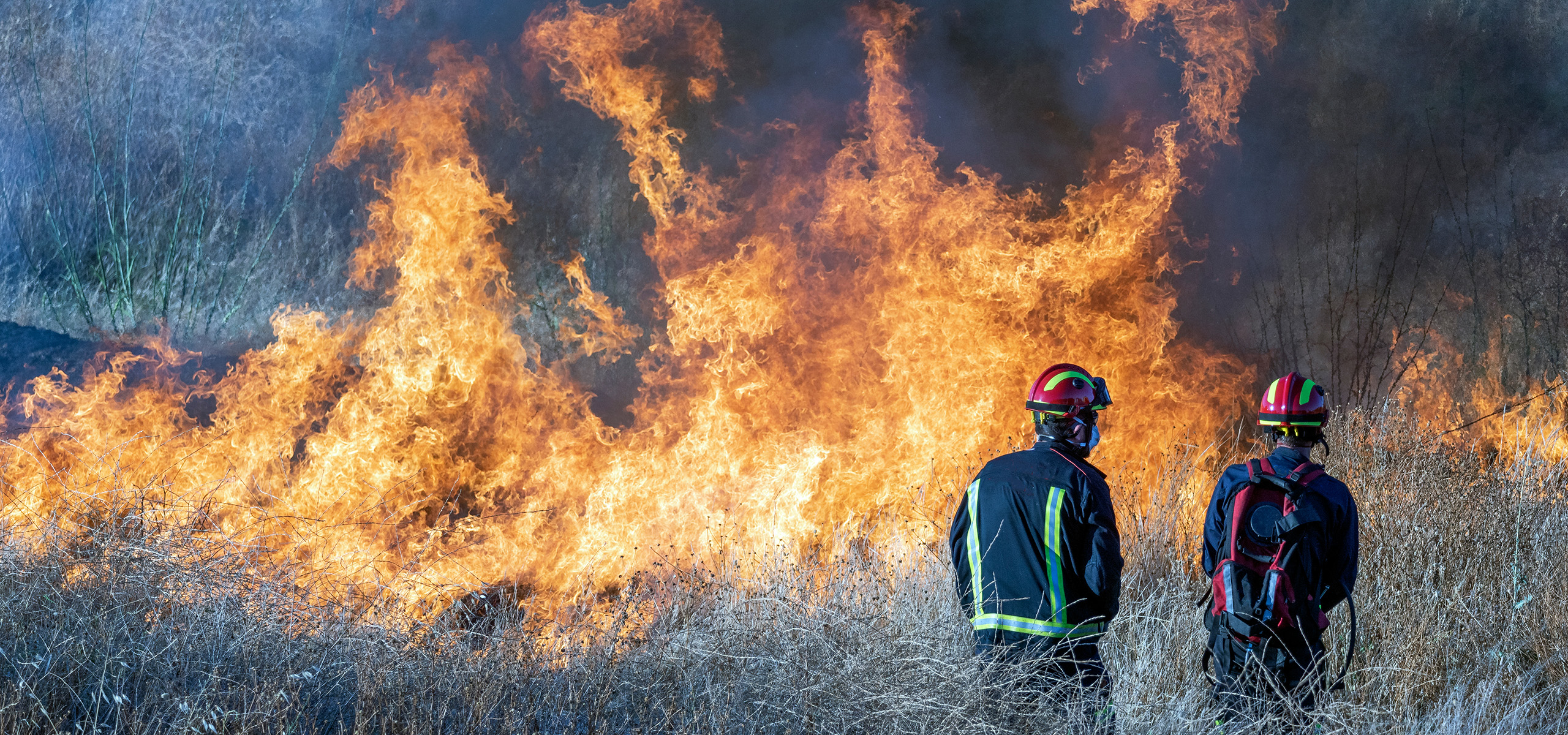
In extreme conditions, even small equipment failures can escalate quickly. A faulted conductor contacting dry vegetation may create sparks. High winds can carry embers into substations. Smoke and ash can cause flashovers across insulators.
Mitigation must therefore address both prevention and resilience.
Strategy 1: Grid Hardening and Infrastructure Upgrades
One of the most effective long-term approaches is strategic grid hardening.
Undergrounding Targeted Circuits
In high-risk areas, burying distribution lines significantly reduces ignition risk. While full underground conversion is cost-prohibitive at scale, targeted undergrounding near critical infrastructure, densely forested corridors, or evacuation routes can dramatically improve safety.
Upgrading Materials and Components
Utilities are investing in:
- Fire-resistant pole wraps or composite poles
- Covered conductors that reduce sparking potential
- Stronger crossarms and insulators
- Steel or concrete transmission structures
These upgrades reduce mechanical failure risk and improve performance under extreme weather stress.
Strategy 2: Advanced Monitoring and Smart Grid Technology
Technology is transforming wildfire risk management across Western Canada.
Real-Time Line Monitoring
Modern grid systems incorporate:
- High-resolution weather stations
- Line temperature and sag sensors
- Fault detection devices
- AI-driven analytics platforms
These tools enable operators to detect abnormal conditions — such as arcing, overheating, or vegetation contact — before they escalate.
Fault Location, Isolation, and Service Restoration (FLISR)
Distribution automation systems can rapidly isolate faults and reroute power, minimizing outage duration and reducing ignition potential. In wildfire-prone environments, faster isolation directly reduces risk.
Smart grid investments also improve situational awareness during active fire events, allowing utilities to make informed operational decisions under rapidly changing conditions.
Strategy 3: Vegetation Management at Scale
Vegetation contact remains one of the leading causes of utility-related wildfire ignition. Western Canadian utilities maintain extensive rights-of-way that require year-round management.
Best practices include:
- Scheduled patrols and aerial inspections
- LiDAR and drone-based vegetation mapping
- Priority clearing in high fire hazard zones
- Removal of hazard trees outside standard corridors
Vegetation programs are increasingly data-driven, using fire risk modelling to prioritize the most critical corridors rather than relying solely on cyclical trimming schedules.
This shift reflects a move from reactive maintenance to proactive wildfire prevention.
Strategy 4: Operational Controls During Extreme Conditions
When fire weather indices spike — characterized by high winds, low humidity, and elevated temperatures — utilities may implement temporary operational changes.
Enhanced Monitoring Protocols
Control rooms increase monitoring frequency during red-flag conditions, ensuring rapid response to any anomalies.
Adjusted Protection Settings
Utilities may modify relay settings to trip faster during high-risk conditions, minimizing arc duration if faults occur.
Public Safety Power Shutoffs (PSPS)
As a last-resort safety measure, some utilities consider proactive de-energization in extreme wildfire scenarios. While disruptive, this strategy can prevent catastrophic ignition events under severe weather conditions.
Balancing reliability and safety requires careful coordination with municipalities, emergency services, and customers.
Strategy 5: Substation and Critical Asset Protection
Substations are particularly vulnerable due to:
- Concentrated electrical equipment
- Oil-filled transformers
- Adjacent vegetation
- Limited defensible space in legacy installations
Mitigation measures include:
- Expanding gravel perimeters to reduce surface fuels
- Installing fire walls and radiant heat barriers
- Replacing wooden fencing with non-combustible materials
- Creating defensible zones around high-value transformers
Utilities are also reviewing asset siting for new builds, integrating wildfire modelling into early-stage planning.
Strategy 6: Emergency Preparedness and Interagency Coordination
Wildfire resilience extends beyond engineering solutions.
Electrical utilities collaborate with:
- Provincial wildfire services
- Municipal emergency management offices
- First responders
- Indigenous communities
During active wildfire seasons, utilities stage crews and equipment strategically to enable rapid response once access is restored.

The Role of Climate Adaptation in Long-Term Planning
Wildfire risk in Western Canada is projected to increase over coming decades. As climate patterns shift, utilities must integrate environmental modelling into capital planning cycles.
Risk-based asset management frameworks now incorporate:
- Historical fire data
- Vegetation fuel modelling
- Climate projections
- Criticality analysis
Rather than treating wildfire mitigation as an isolated program, forward-looking utilities embed it into enterprise-wide risk strategies.
This integrated approach supports both regulatory compliance and long-term infrastructure sustainability.
Building a More Resilient Energy Future
Western Canada’s electrical energy industry is entering a new era of environmental complexity. Electrification trends — including EV adoption, industrial decarbonization, and renewable integration — are increasing demand at the same time wildfire risk is intensifying.
Protecting electrical assets is no longer just about reliability; it is about:
- Community safety
- Environmental stewardship
- Operational continuity
- Financial resilience
Utilities across British Columbia and Alberta are demonstrating leadership by combining grid modernization, vegetation science, digital innovation, and collaborative planning.
The path forward requires sustained investment, adaptive strategies, and a willingness to evolve alongside changing environmental realities.
Wildfire risk cannot be eliminated — but through strategic mitigation, smart technology, and resilient infrastructure design, the electrical energy industry in Western Canada can continue delivering safe, reliable power even in the face of escalating environmental threats.