

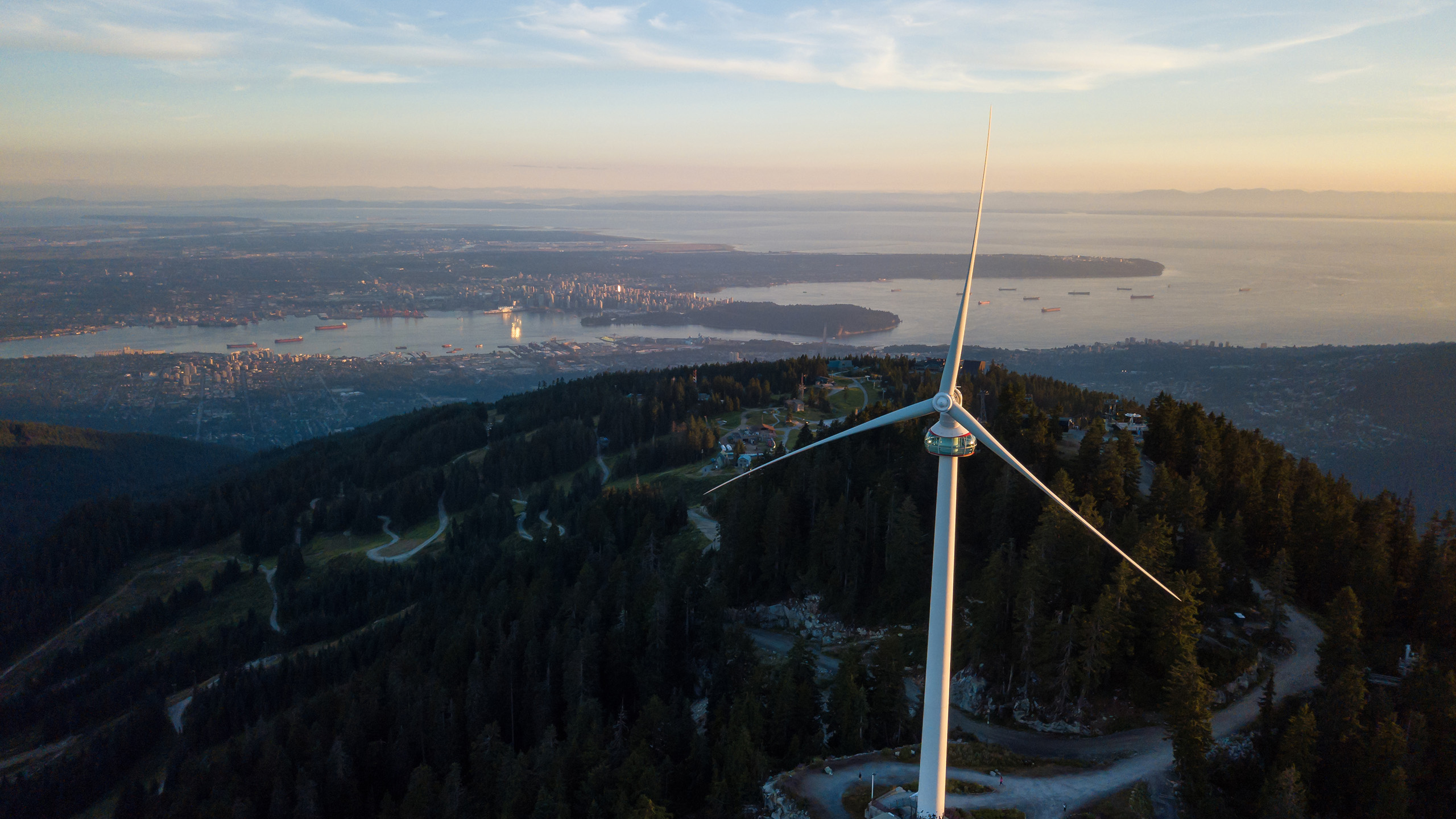
Why Western Canada’s Power Needs Are Unique to the Rest of the Country
Canada may operate under national electrical codes and shared industry standards, but when it comes to real-world power system design, not all regions are created equal. Western Canada—particularly British Columbia—presents a unique set of challenges that directly influence how electrical infrastructure is planned, specified, and maintained.
From rugged geography and extreme climate conditions to seismic risk and resource-driven industrial demand, power systems in Western Canada must perform under conditions that are rarely encountered elsewhere in the country. For engineers, facility owners, and project stakeholders, understanding these regional differences is critical to building reliable, future-ready electrical systems.
Geography and Distance Shape Power System Design
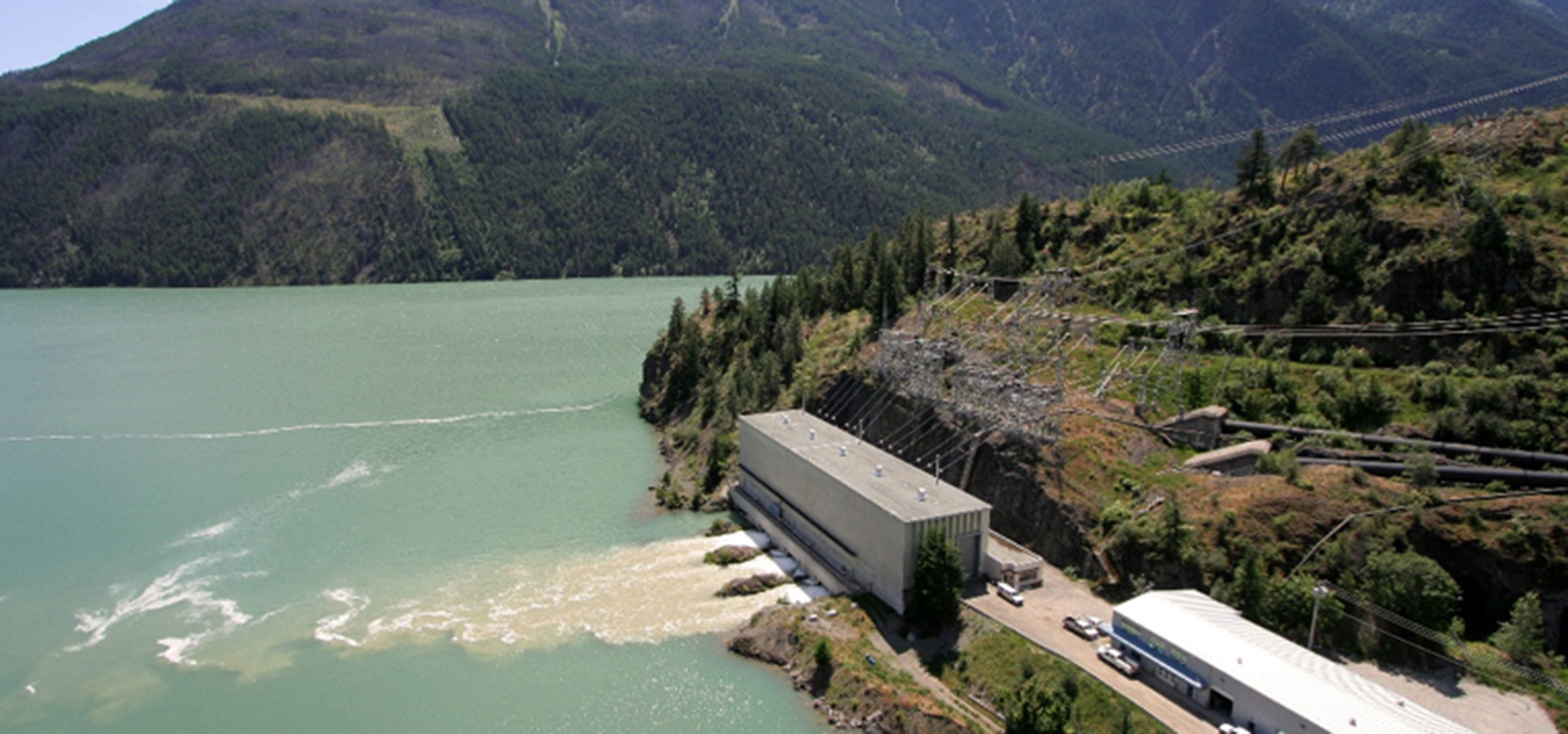
One of the defining characteristics of Western Canada is its sheer size and diversity of terrain. Projects often span mountainous regions, coastal areas, dense urban centres, and remote industrial sites, particularly in British Columbia and Western provinces.
Remote locations introduce several challenges:
- Limited access to utility infrastructure
- Longer feeder runs and fewer redundancies
- Delayed service or repair response times
- Greater reliance on self-contained or resilient power systems
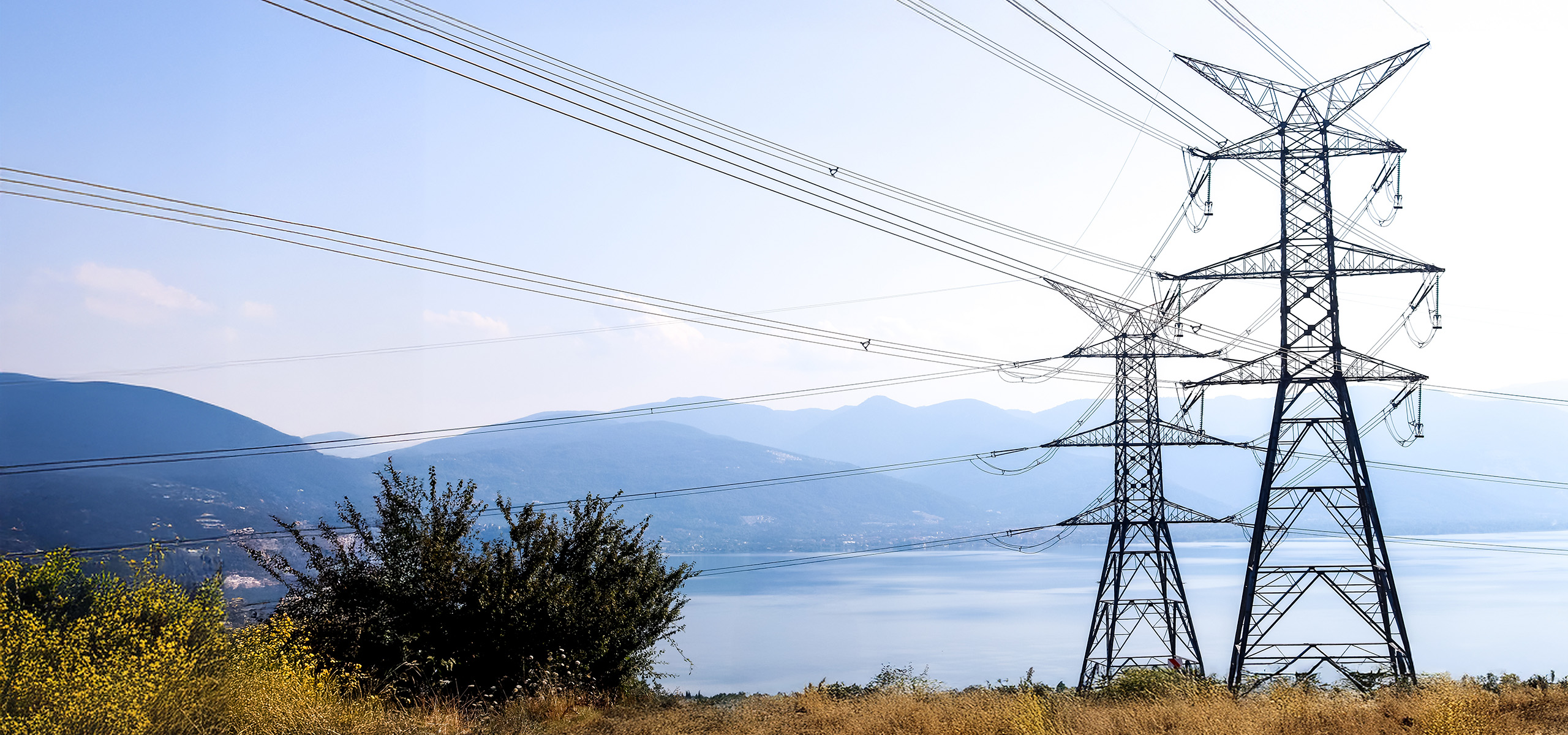
In these environments, equipment reliability becomes paramount. Failures that might be manageable in urban centres can result in extended downtime at remote sites. As a result, engineers and owners must prioritize robust equipment selection, conservative design margins, and proven manufacturer support.
Climate Extremes and Environmental Conditions
Western Canada experiences some of the most varied environmental conditions in the country, and British Columbia alone presents dramatically different climates across short distances.
Key environmental factors include:
- Coastal moisture and salt exposure, accelerating corrosion
- Heavy rainfall and flooding, particularly in Lower Mainland and coastal regions
- Freeze–thaw cycles in interior and northern BC
- Wildfire risk, impacting air quality and outdoor equipment
These conditions directly affect enclosure ratings, material selection, cooling methods, and long-term maintenance requirements. Equipment designed for dry, stable environments may struggle in BC’s coastal climate or remote northern regions.
Designing for environmental resilience is not simply a best practice—it’s a necessity for ensuring long-term system performance in Western Canada.
Seismic Considerations in British Columbia
British Columbia sits in one of Canada’s most seismically active zones, a factor that significantly influences electrical system design. While seismic requirements may be secondary in many regions, they are front and centre for BC projects.
Electrical equipment must account for:
- Seismic-rated enclosures and anchoring
- Equipment bracing and mounting considerations
- Protection of critical power systems during seismic events
For hospitals, data centres, ports, and essential infrastructure, maintaining power after a seismic event is critical. Equipment that meets minimum code requirements may not always meet the operational resilience expectations of owners and operators in seismic zones.
Resource-Based and Industrial Power Demands
Western Canada’s economy is deeply tied to resource-based and heavy industrial sectors, including mining, forestry, ports, LNG, and bulk material handling facilities. These applications place unique demands on electrical systems.
Common challenges include:
- Large motor loads and frequent starts
- Highly variable demand profiles
- Power quality issues such as harmonics and voltage fluctuation
- Equipment exposed to harsh operating environments
Unlike commercial office buildings, industrial facilities require electrical equipment that can handle non-linear, high-impact loads while maintaining reliability and safety. Selecting equipment without considering these operational realities can lead to premature failures and costly downtime.
Electrification and Rapid Infrastructure Growth
Electrification is accelerating across Western Canada, driven by government policy, sustainability targets, and industrial transformation. British Columbia, in particular, is seeing rapid growth in:
- EV charging infrastructure
- Electrified ports and transit systems
- Industrial electrification
- Data centres and clean technology facilities

This growth is placing new demands on existing electrical infrastructure. Systems designed for current loads may struggle to accommodate future expansion without costly upgrades.
Forward-thinking electrical design in Western Canada must consider:
- Scalability and modularity
- Future load growth
- Integration with distributed energy resources
- Long-term lifecycle planning
Designing for today without planning for tomorrow can quickly limit a facility’s ability to adapt.
The Importance of Local Technical Representation
Given the complexity of Western Canada’s power landscape, local technical expertise plays a critical role in successful project execution. Electrical manufacturer representatives act as a bridge between global equipment manufacturers, consulting engineers, and end users.
Local representation provides:
- Region-specific product guidance
- Insight into local utility requirements
- Support during design, commissioning, and operation
- Faster issue resolution and long-term service continuity
Having a knowledgeable local partner helps ensure that equipment is not only specified correctly on paper, but also performs reliably in the field—under Western Canada’s unique conditions.
Conclusion
Western Canada’s power needs are shaped by geography, climate, seismic risk, industrial demand, and rapid electrification. These factors make it clear that a one-size-fits-all approach to electrical system design simply does not work in this region.
For engineers, facility owners, and project stakeholders in British Columbia and across Western Canada, success depends on understanding these regional realities and selecting power solutions that are designed to perform in demanding environments.
Projects succeed when electrical equipment is chosen not just to meet specifications—but to withstand the real-world conditions it will face for decades to come. With deep local knowledge and strong manufacturer connections, Arbutus West Agency helps ensure that every project is supported with solutions tailored to the unique requirements and challenges of BC and Western Canada.