

What’s Driving Electrical Infrastructure Upgrades Across British Columbia in 2026
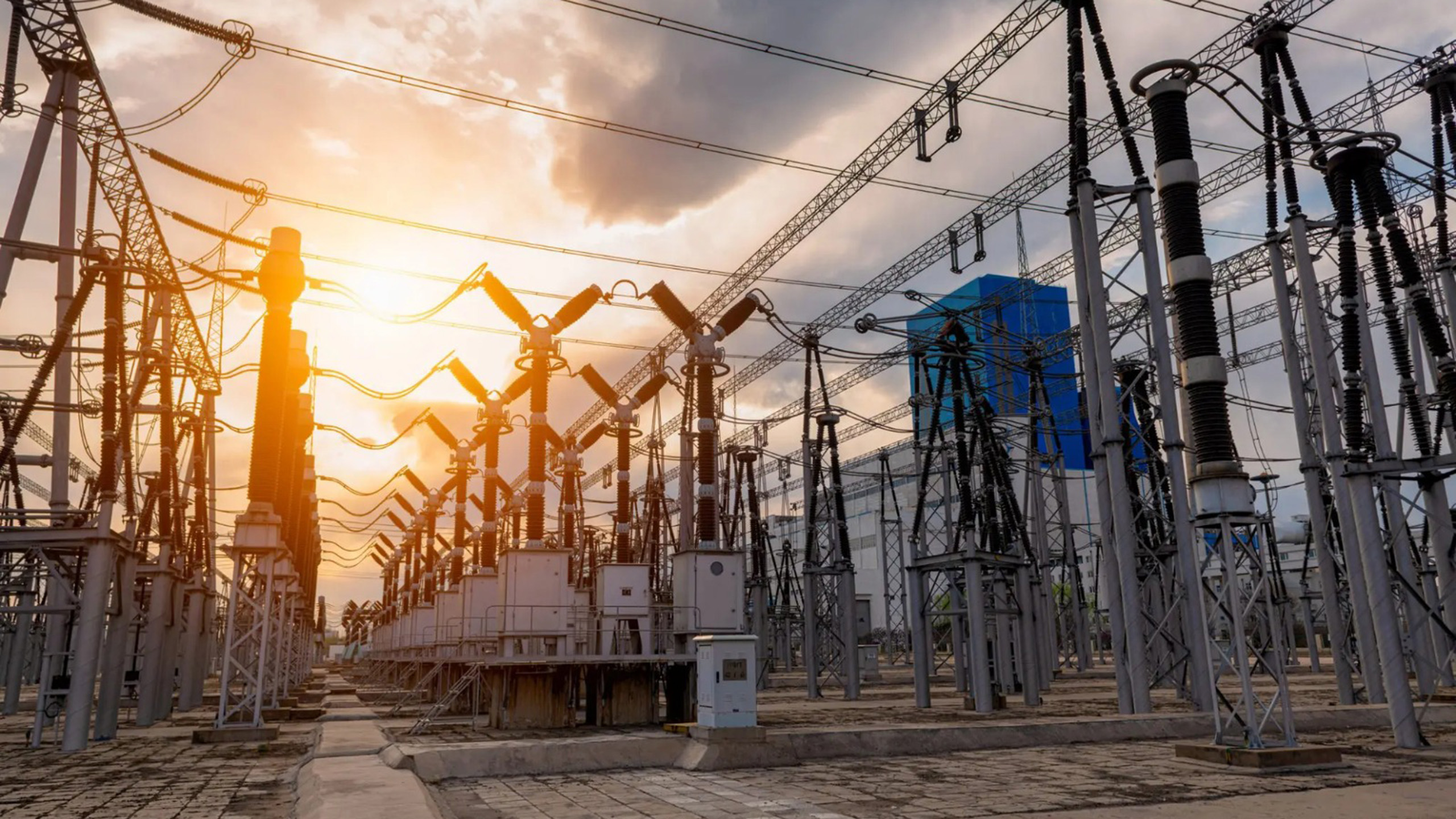
British Columbia’s electrical infrastructure is undergoing one of the most significant transformation periods in decades. As the province pushes toward electrification, decarbonization, and economic growth, demand on the power grid is increasing faster than many legacy systems were designed to handle. In 2026, infrastructure upgrades are no longer optional, they are critical.
From utilities and municipalities to industrial facilities and large-scale infrastructure projects, organizations across BC are rethinking how power systems are designed, protected, and maintained. Several converging forces are driving this shift, and understanding them is key to planning reliable, safe, and future-ready electrical systems.
Electrification Is Accelerating Across Every Sector
One of the biggest drivers of electrical infrastructure upgrades in British Columbia is widespread electrification. Transportation, heating, and industrial processes that once relied on fossil fuels are increasingly powered by electricity.
Electric vehicle (EV) adoption continues to surge, bringing with it significant load increases for commercial buildings, multi-unit residential developments, fleet depots, and public charging networks. At the same time, building electrification initiatives—such as electric heat pumps and electric boilers—are adding new, sustained demand to local distribution systems.
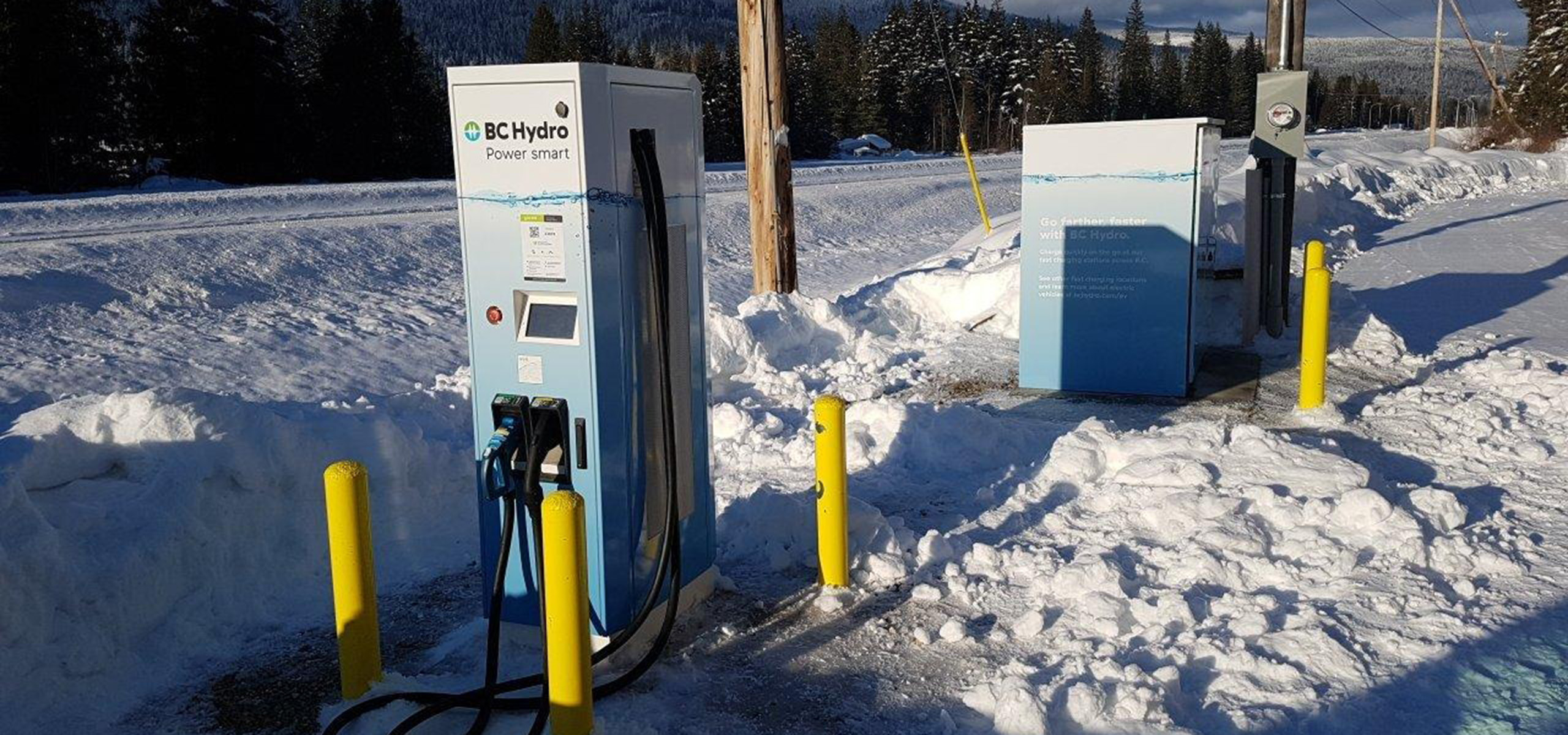
For many facilities, existing electrical infrastructure was never designed to accommodate these load profiles. Upgrades to transformers, switchgear, and distribution equipment are becoming essential to maintain reliability and safety while supporting electrification goals.
Data Centres and Digital Infrastructure Are Expanding Rapidly
The growth of data centres in Metro Vancouver and across Western Canada is another major contributor to increased power demand. Cloud computing, artificial intelligence, and digital services require facilities with exceptionally high power density, redundancy, and uptime requirements.
These facilities place unique demands on electrical systems, including:
- High-capacity medium-voltage (MV) and low-voltage (LV) switchgear
- Redundant power paths and backup systems
- Advanced protection and monitoring
- Enhanced safety and arc-flash mitigation
As new data centres are built and existing ones expand, electrical infrastructure upgrades are required not just to supply more power, but to ensure reliability, resilience, and worker safety.
Aging Infrastructure Is Reaching Its Limits
Much of British Columbia’s existing electrical infrastructure was installed decades ago. While many systems have performed reliably, age-related degradation is becoming increasingly difficult to ignore.
Common challenges include:
- Obsolete equipment that no longer meets current standards
- Limited availability of replacement parts
- Increased maintenance requirements
- Higher risk of unplanned outages
Utilities, municipalities, and industrial operators are proactively replacing aging switchgear, transformers, and protection systems to reduce downtime risk and improve long-term asset performance. Modern equipment offers improved reliability, digital monitoring capabilities, and enhanced safety features that older systems simply cannot provide.
Reliability Expectations Are Higher Than Ever
Power outages are no longer seen as minor inconveniences. For industrial operations, critical infrastructure, ports, transit systems, and healthcare facilities, even short disruptions can lead to significant financial losses and safety risks.

In response, organizations across BC are prioritizing:
- Redundant electrical designs
- Higher-rated and more robust equipment
- Arc-resistant switchgear for personnel protection
- Improved coordination and protection schemes
Electrical infrastructure upgrades are increasingly focused on resilience—ensuring systems can withstand faults, extreme weather events, and unexpected load changes without catastrophic failure.
Climate Change and Extreme Weather Are Influencing Design
British Columbia’s climate is changing, and electrical infrastructure must adapt. More frequent heat waves, intense storms, flooding, and wildfire risks are influencing how power systems are specified and installed.
Equipment must now be designed to handle:
- Higher ambient temperatures
- Increased moisture and corrosion in coastal environments
- Physical protection in flood-prone areas
- Fire-resistant and fault-tolerant designs
These factors are driving upgrades to outdoor-rated equipment, enclosure designs, and system layouts that improve durability and long-term performance under challenging environmental conditions.
Seismic Considerations Are Driving Modernization
As a seismically active region, BC has always had unique design requirements—but awareness around seismic resilience has grown significantly in recent years. New building codes and infrastructure standards are placing greater emphasis on ensuring electrical systems remain operational or safely shut down during seismic events.
Upgrading to seismically qualified transformers, switchgear, and support structures is becoming a priority, particularly for essential services, utilities, and critical infrastructure projects.
Regulatory and Safety Standards Continue to Evolve
Electrical codes, safety standards, and utility requirements are constantly evolving. Equipment that was compliant years ago may no longer meet today’s expectations for worker safety or system protection.
Arc-flash hazards, in particular, are receiving increased attention. This has led many organizations to upgrade to arc-resistant switchgear, enhanced protection relays, and safer system designs that reduce risk to personnel during fault events.
Staying compliant often requires not just incremental changes, but comprehensive infrastructure upgrades that align with modern standards and best practices.
Industrial and Infrastructure Projects Are Driving Load Growth
Major infrastructure investments across BC—including ports, transit expansions, resource processing facilities, and energy projects—are placing new demands on local electrical networks.
These projects often require:
- Custom-engineered electrical solutions
- High-capacity MV and LV equipment
- Tight coordination between utilities, engineers, and contractors
- Local expertise to navigate regional requirements
Electrical infrastructure upgrades are a foundational component of enabling these projects to move forward safely and efficiently.
The Importance of Planning for the Long Term
What sets 2026 apart is the recognition that short-term fixes are no longer sufficient. Organizations are planning electrical upgrades with 20- to 40-year horizons in mind, considering future load growth, technology changes, and evolving regulations.
Modern electrical systems are being designed to be:
- Scalable
- Easier to maintain
- Safer for personnel
- More resilient to disruptions
This forward-thinking approach reduces lifecycle costs and minimizes the need for repeated upgrades as demand continues to grow.
Supporting Electrical Infrastructure Upgrades Across BC
As electrical infrastructure upgrades accelerate across British Columbia, having access to experienced, locally based electrical specialists is more important than ever. Navigating evolving standards, equipment selection, and project requirements requires both technical knowledge and a deep understanding of the regional power landscape.
Arbutus West Agency works closely with consulting engineers, utilities, contractors, and end users to support modern power system design and delivery across Western Canada. By representing proven manufacturers and providing technical guidance throughout the project lifecycle, Arbutus West Agency helps ensure electrical systems are designed for reliability, safety, and long-term performance.
As BC continues to invest in electrification and infrastructure modernization, collaboration between project teams and knowledgeable local partners will be key to building resilient power systems that can meet today’s demands—and tomorrow’s growth.