

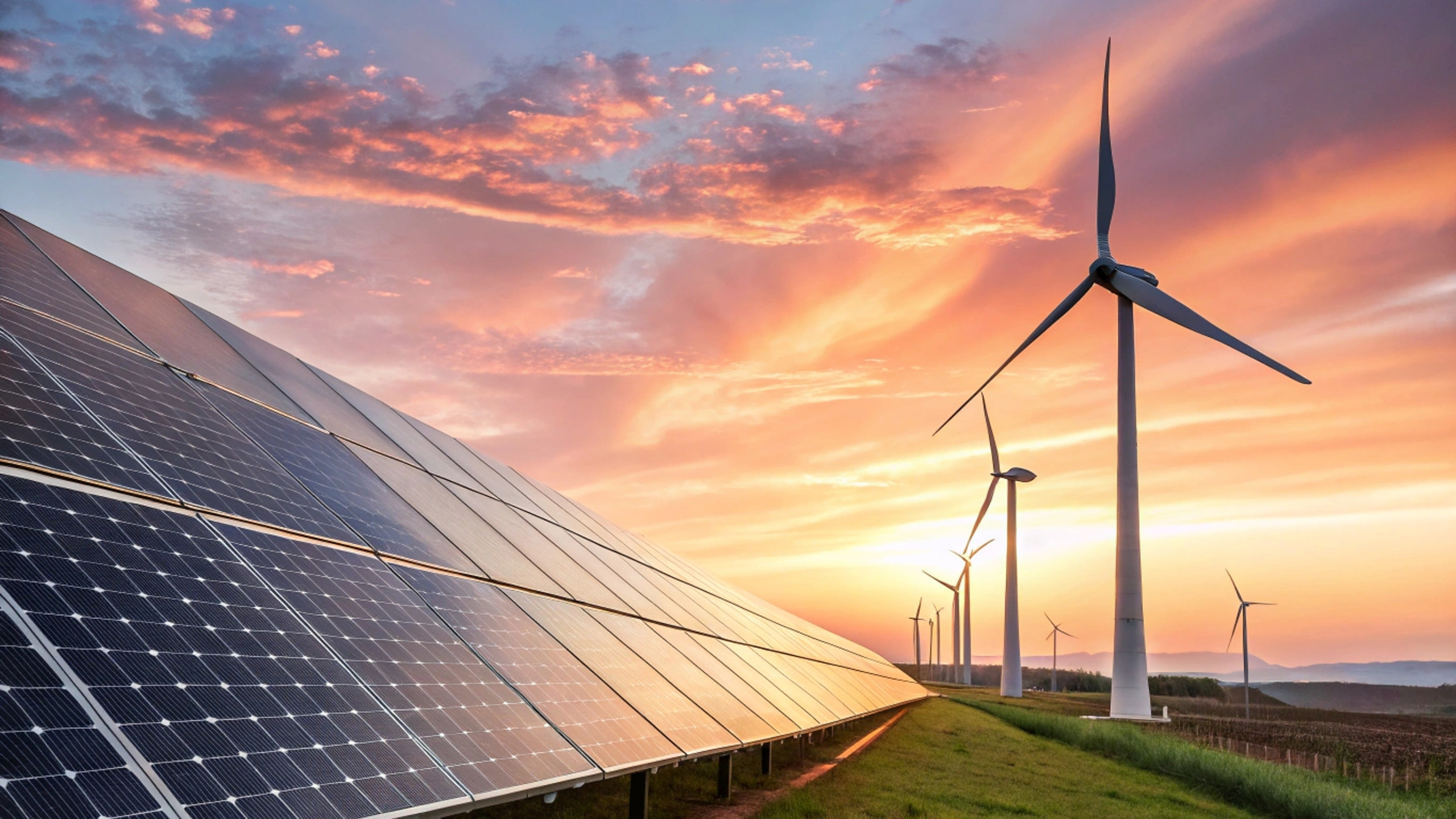
Canada Set to Invest Up to $200 Billion in Wind, Solar, and Energy Storage Over the Next Decade
Canada is poised for a historic surge in renewable energy investment, with spending on wind, solar, and energy storage projected to exceed $200 billion by 2035. According to new forecasts from the Canadian Renewable Energy Association (CanREA), the next decade will mark one of the most significant transformations of the country’s electricity system in modern history.
Researchers estimate that between $14 billion and $20 billion will be invested annually in renewable energy infrastructure. Beyond accelerating Canada’s clean energy transition, this wave of investment is expected to generate as many as 350,000 direct and indirect full-time equivalent jobs across the country.
A Rapid Expansion of Clean Energy Capacity
Canada currently has approximately 150 gigawatts (GW) of installed electricity generation capacity. Of that total:
- 17 GW comes from wind power
- 2.3 GW comes from solar
- 1 GW comes from energy storage
Over the next decade, CanREA projects dramatic growth across all three sectors:
- Wind: An additional 30–51 GW
- Solar: An additional 17–26 GW
- Energy storage: An additional 12–16 GW
If realized, this expansion would double Canada’s installed wind, solar, and storage capacity within ten years. In the shorter term, capacity is expected to grow by roughly one-third within the next four years alone.
CanREA President and CEO Vittoria Bellissimo described the current moment as a turning point, noting that “the momentum is building fast.” The organization sees accelerating demand for electrification — driven by industry, transportation, and digital infrastructure — as a key catalyst for this growth.
Lower Emissions, Stronger Grid
One of the most significant outcomes of this investment will be a continued reduction in the emissions intensity of electricity generation.
Canada already benefits from a relatively clean grid compared to many other developed nations, largely due to hydroelectric power. However, expanding wind and solar capacity — combined with grid-scale battery storage — will further reduce reliance on fossil fuel generation, particularly in provinces still dependent on natural gas or coal.
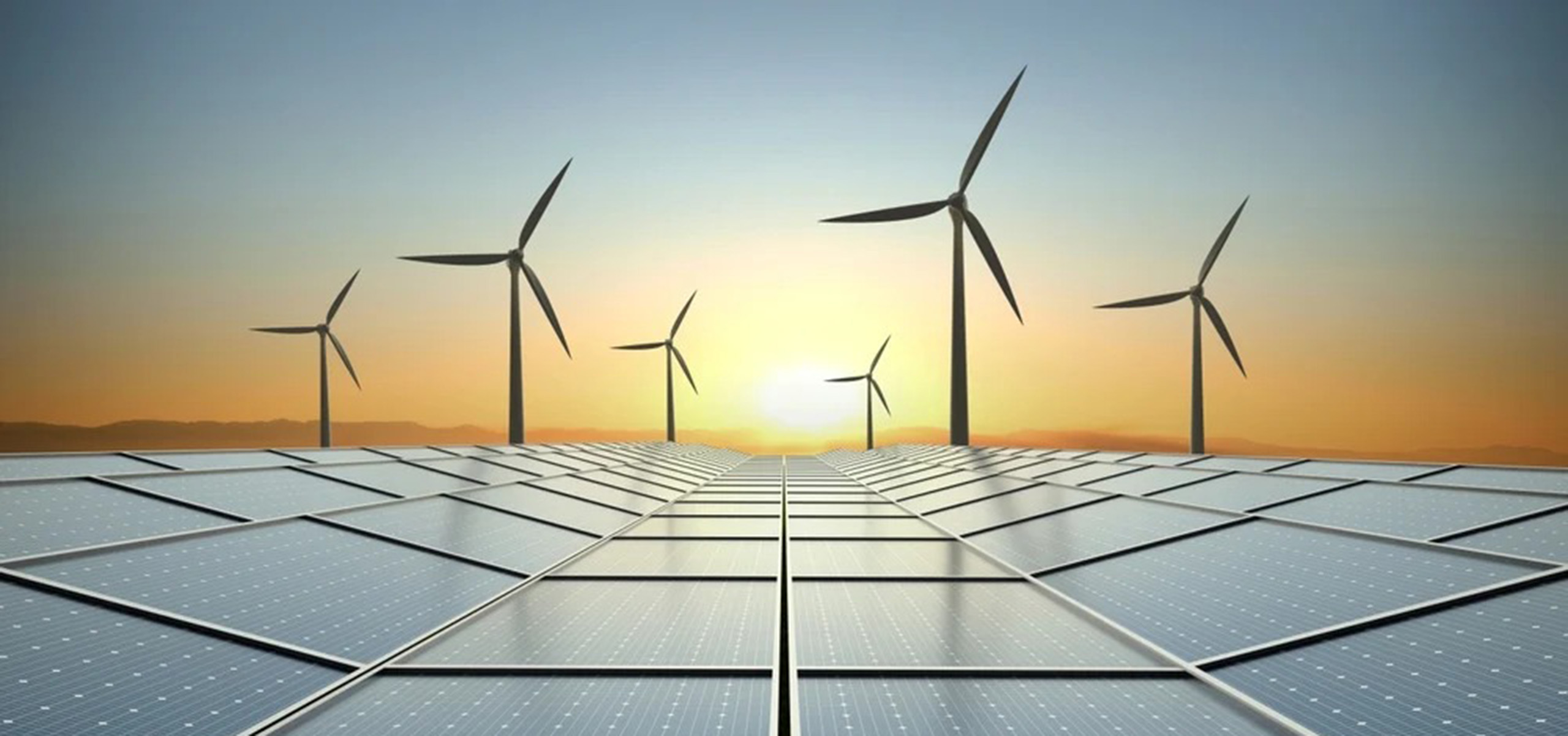
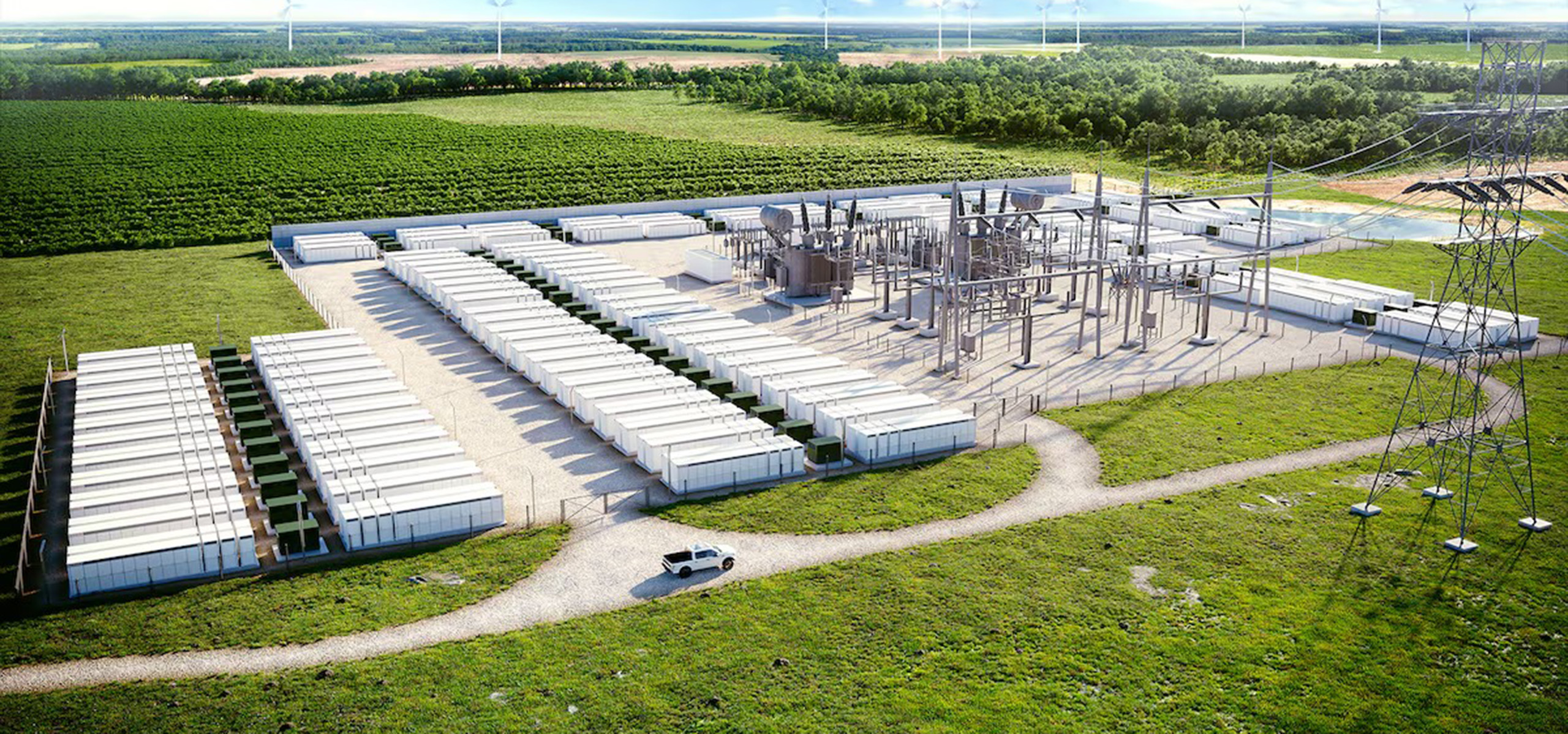
Energy storage plays a critical role in this transformation. As renewable generation increases, batteries and other storage technologies help stabilize the grid by:
- Balancing supply and demand
- Reducing curtailment of renewable output
- Improving reliability during peak usage
- Enhancing resilience against outages
Storage investment is therefore not just complementary to renewables — it is foundational to building a modern, flexible electricity system.
Canada’s Position in the Global Energy Transition
The projected investment comes at a time when Canada’s global standing in clean energy finance has faced challenges.
According to the 2026 Energy Transition Investment Trends report from BloombergNEF, Canada fell out of the top 10 global investors last year. Total spending declined 8.8 per cent to US$33.4 billion in 2025.
However, analysts note that much of that decline was driven by weaker electric vehicle (EV) sales rather than a drop in renewable infrastructure investment. As EV adoption stabilizes and grid electrification accelerates, capital flows into generation and storage projects are expected to strengthen.
International Partnerships and Policy Shifts
Federal policy and international cooperation are also shaping the next phase of Canada’s energy transition.
Last month, Prime Minister Mark Carney signed a strategic partnership agreement with China focused on collaboration in battery manufacturing, solar technology, and wind energy systems. In exchange, Canada eased tariffs on Chinese electric vehicles — a move aimed at strengthening supply chains and improving access to affordable clean technologies.
At the same time, Ottawa’s Major Projects Office has identified offshore wind development in Atlantic Canada as a potentially “transformative” opportunity. Offshore wind projects in the Maritimes could unlock significant new generation capacity, particularly for export-oriented clean electricity or green hydrogen production.
Notably, CanREA’s $200 billion investment estimate does not include offshore wind development. Should large-scale offshore projects move forward, total investment figures could rise significantly beyond current projections.
Job Creation and Economic Impact
The forecasted 350,000 jobs include both direct employment — such as construction, engineering, manufacturing, and operations — and indirect roles across supply chains and supporting industries.
The benefits are expected to extend across multiple provinces:
- Western Canada: Utility-scale wind and solar growth
- Ontario and Quebec: Storage expansion and manufacturing
- Atlantic Canada: Emerging offshore wind potential
- Northern and remote communities: Microgrids and hybrid systems
The clean energy transition is increasingly being framed not only as an environmental imperative, but as a long-term industrial strategy. Large-scale renewable deployment supports domestic manufacturing, skilled trades development, and infrastructure modernization.
The Road to 2035
If CanREA’s projections hold, the next decade will redefine Canada’s electricity system. Key drivers include:
- Electrification of transportation and industry
- Growing demand from AI data centres and digital infrastructure
- Decarbonization targets at federal and provincial levels
- Increasing investor appetite for stable infrastructure assets
While challenges remain — including permitting timelines, grid interconnection bottlenecks, and supply chain constraints — the scale of projected investment signals strong confidence in Canada’s renewable energy future.
By 2035, wind, solar, and energy storage are expected to form a significantly larger share of Canada’s power mix, strengthening grid reliability while cutting emissions and generating hundreds of thousands of jobs.
The coming decade may ultimately prove to be the most consequential period in the modernization of Canada’s energy infrastructure.