

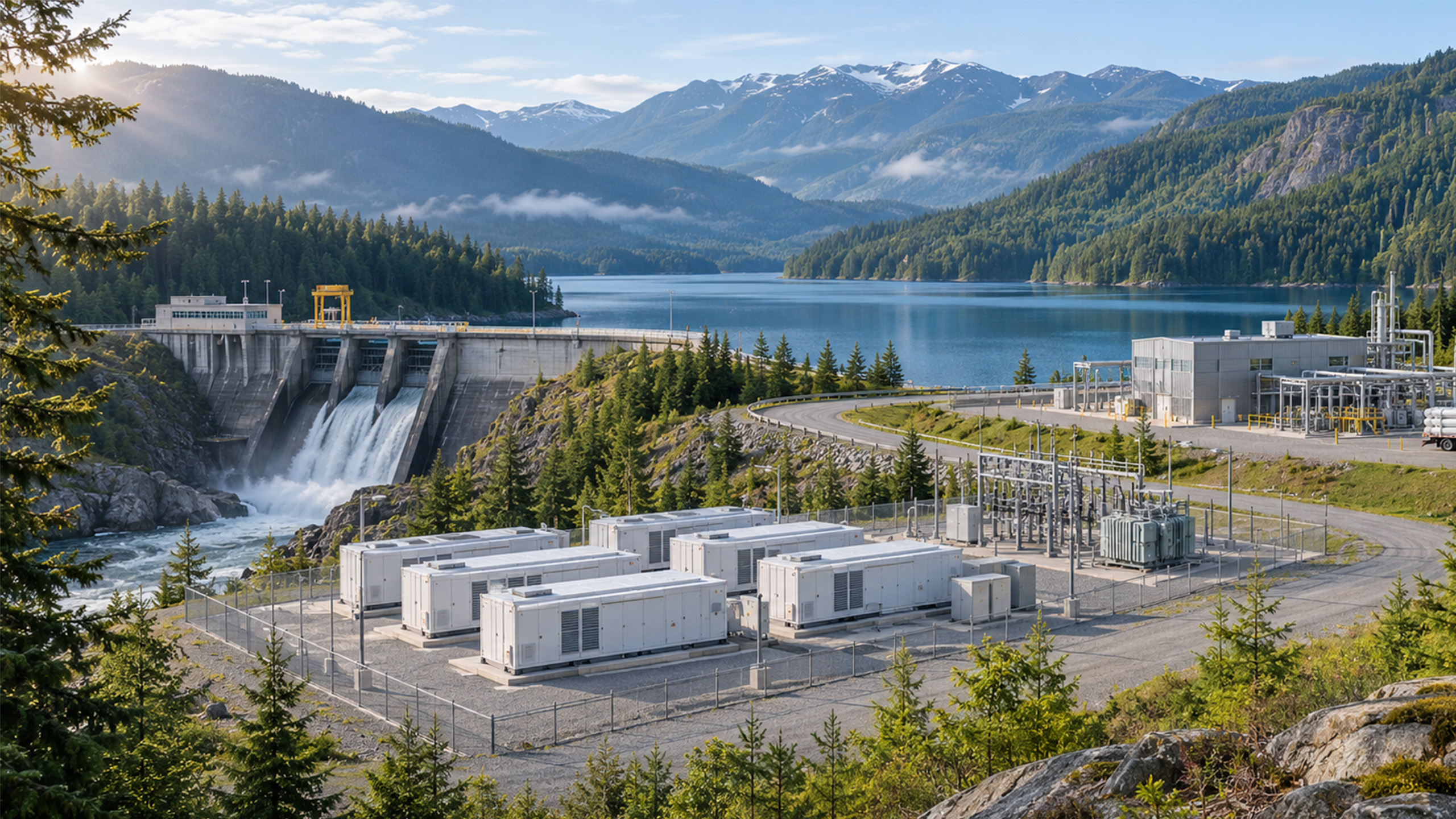
Batteries vs. Hydrogen: Which Energy Storage Solution Is Right for the Future?
As Canada continues investing in renewable energy, electrification and lower-carbon power systems, two technologies are attracting considerable attention: battery energy storage systems (BESS) and hydrogen. Both have the potential to play important roles in the future of energy, but they work in very different ways and are suited to different applications.
So, which technology will ultimately lead the energy transition?
The answer is not necessarily one or the other. Batteries and hydrogen each offer unique advantages, and understanding where they work best will be important as utilities, industries and communities plan for a more flexible and resilient energy system.
Understanding the Difference
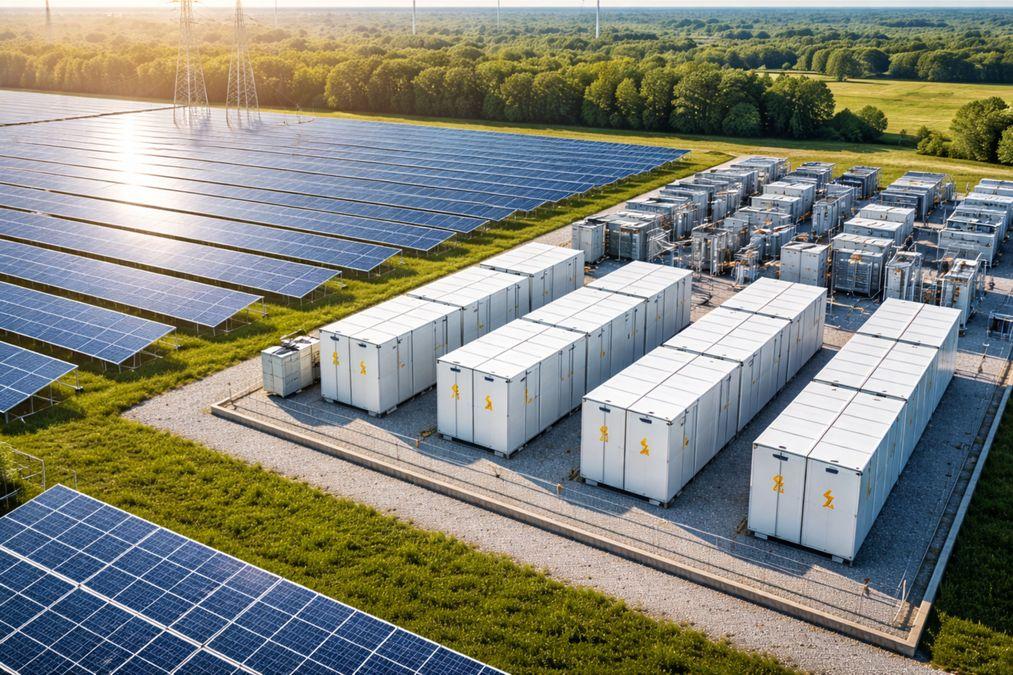
At a basic level, batteries store electricity and release it when needed. A battery energy storage system can capture excess electricity generated by solar panels, wind turbines or the electrical grid, then discharge that power when demand increases or renewable generation decreases.
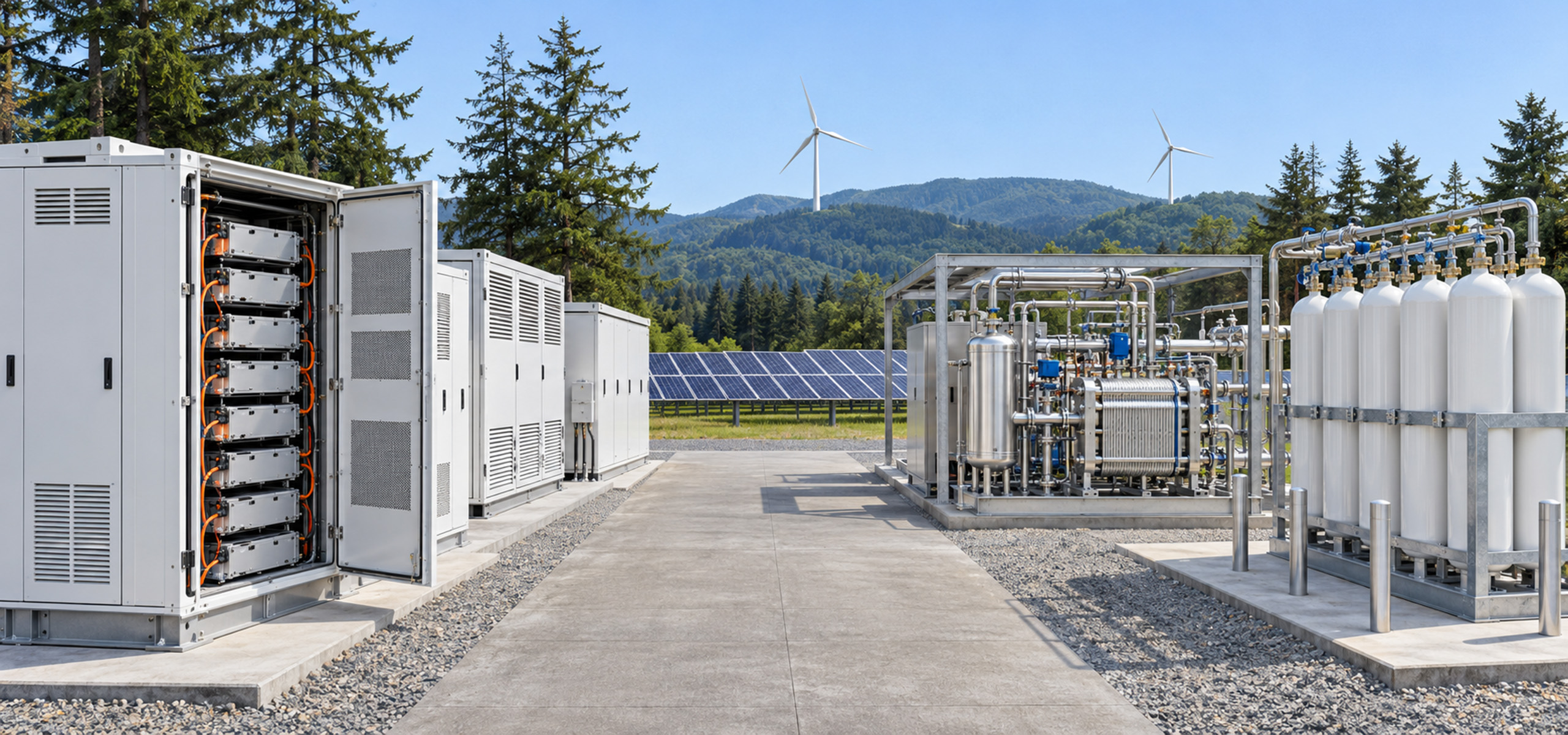
Hydrogen works differently. It is an energy carrier that can be produced using electricity through a process called electrolysis, which separates water into hydrogen and oxygen. The hydrogen can then be compressed, stored and transported for later use as a fuel or industrial feedstock. It can also be converted back into electricity using a fuel cell or other power-generation equipment.
The distinction is important: batteries store electricity directly, while hydrogen converts electricity into a chemical form of energy that can be stored and used in several ways.
Where Batteries Have the Advantage
Battery storage has become one of the most practical ways to improve the flexibility of modern electricity grids. As solar and wind generation expand, utilities need ways to manage fluctuations in supply and respond to changing electricity demand.
BESS technology is particularly effective for short-duration storage and rapid-response applications.
Some of the most common applications include:
- Renewable energy integration: Batteries store surplus electricity generated during periods of strong sunlight or wind and release it when production drops.
- Peak demand management: Stored energy can be discharged during periods of high electricity consumption, helping reduce pressure on the grid.
- Grid stability: Batteries can respond very quickly to changes in supply and demand, supporting frequency regulation and other grid services.
- Commercial and industrial backup: Businesses can use battery systems to provide backup power, manage electricity costs and improve energy resilience.
- Remote and off-grid applications: Batteries can be paired with solar or wind installations to reduce reliance on diesel generators.
One of the biggest advantages of batteries is their ability to respond quickly and efficiently. They can store electricity and return it to the grid without the additional conversion steps required by hydrogen.battery storage is especially relevant as provinces look to integrate more renewable generation and manage growing electricity demand. In British Columbia, BESS can complement existing hydroelectric resources by helping manage short-term fluctuations, support local grid needs and provide additional flexibility.
The International Energy Agency identifies battery storage as particularly well suited to short-term flexibility, including applications that require continuous output over periods of several hours. As battery technology improves and costs evolve, these systems are becoming increasingly attractive for utility-scale and behind-the-meter installations.
For Canada…
Where Hydrogen Has the Advantage
While batteries are well suited to storing and releasing electricity over shorter periods, hydrogen offers a different set of possibilities.
One of hydrogen’s biggest advantages is its ability to store energy in chemical form. Once produced, hydrogen can be stored and transported for use in applications that may not be practical to serve through direct electrification alone.
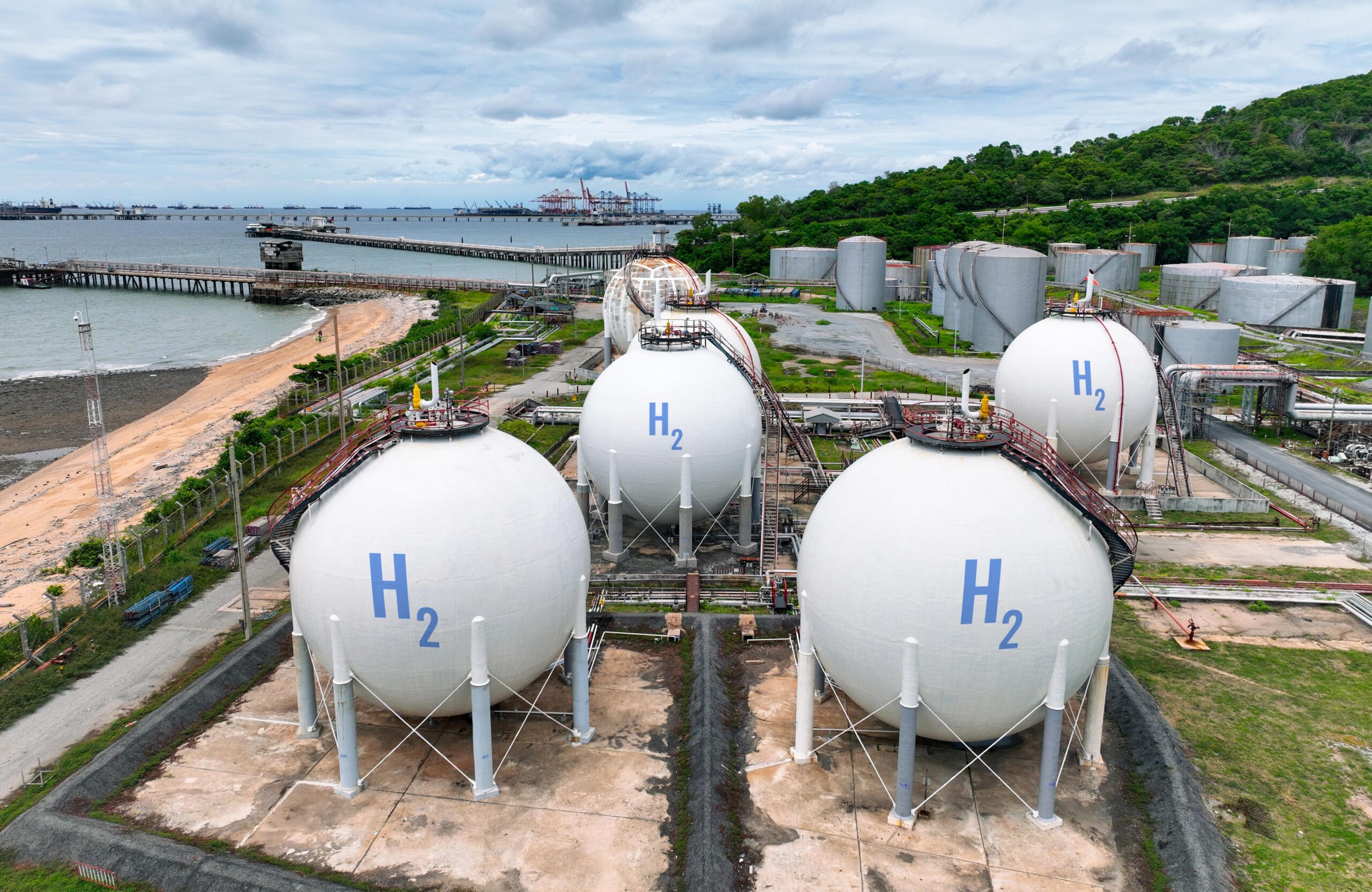
This makes hydrogen particularly interesting for industries and sectors with high energy requirements.
Potential applications include:
- Heavy industry: Hydrogen can be used as a feedstock or fuel in industries such as steelmaking, refining, cement and chemical production.
- Long-distance transportation: Hydrogen fuel cells may offer advantages for certain heavy-duty trucking, rail and other transportation applications where range and refuelling requirements are important.
- Marine transportation: Hydrogen and hydrogen-derived fuels are being explored as alternatives for vessels that require substantial amounts of energy.
- Industrial heat: Certain manufacturing processes require high-temperature heat that can be difficult to provide through conventional electrification.
- Long-duration energy storage: Hydrogen may provide a way to store surplus renewable energy for extended periods and potentially use it when electricity generation is constrained.
Hydrogen also provides flexibility beyond electricity generation. It can be used directly in industrial processes, converted into other fuels or used to generate electricity when required.
According to Natural Resources Canada, hydrogen is expected to be most valuable in energy-intensive applications where it offers advantages over other zero-emission alternatives.
However, producing hydrogen from electricity requires additional energy. If hydrogen is later converted back into electricity, further energy is lost in the process. This means that using a battery is generally more energy-efficient when the goal is simply to store electricity and return it to the grid.
Hydrogen’s potential advantage is therefore not necessarily efficiency, but its ability to serve applications requiring fuel, feedstock or longer-term energy storage.
Comparing the Two Technologies
Although both technologies can support renewable energy and reduce reliance on fossil fuels, their strengths differ.
Consideration | Battery Storage | Hydrogen |
Primary function | Stores electricity directly | Stores energy chemically |
Response time | Very fast | Depends on production and conversion equipment |
Typical strength | Short-duration storage and grid support | Industrial fuel, feedstock and longer-duration storage |
Energy efficiency | Generally higher for electricity storage and return | Lower when electricity is converted to hydrogen and back |
Transportation | Electricity is delivered through electrical infrastructure | Hydrogen can be transported as a fuel or chemical |
Key applications | Grid balancing, solar storage, backup power | Heavy industry, transportation, industrial heat and energy storage |
Neither technology is a universal solution. The best choice depends on the amount of energy required, how long it needs to be stored, how it will be used and the infrastructure available.
What Does This Mean for British Columbia and Western Canada?
British Columbia has an interesting position in the energy transition because of its substantial hydroelectric generation resources. Hydropower already provides a significant source of flexible electricity, creating opportunities to integrate additional renewable generation and energy storage technologies.
Hydrogen could serve a different purpose. Western Canada has significant industrial, transportation and resource-sector activity, creating potential opportunities for hydrogen in applications where direct electrification may be challenging. Ports, mining operations, heavy transportation and industrial facilities are all areas where hydrogen technologies may have a role.
However, the development of either technology requires careful consideration of economics, energy availability, infrastructure, safety and long-term operating requirements. Hydrogen production, in particular, requires substantial electrical input and supporting equipment, while battery installations require appropriate site conditions, power conversion systems and electrical protection.
The future energy landscape will likely involve a combination of technologies rather than a single storage solution.
The Electrical Infrastructure Behind Both Solutions
One important consideration that is sometimes overlooked in discussions about batteries and hydrogen is the electrical infrastructure required to support them.
Large-scale battery installations need reliable connections to the electrical grid, along with transformers, switchgear, protection systems and power conversion equipment. These components help manage voltage, control electrical distribution and ensure that energy can move safely between the storage system and the grid.
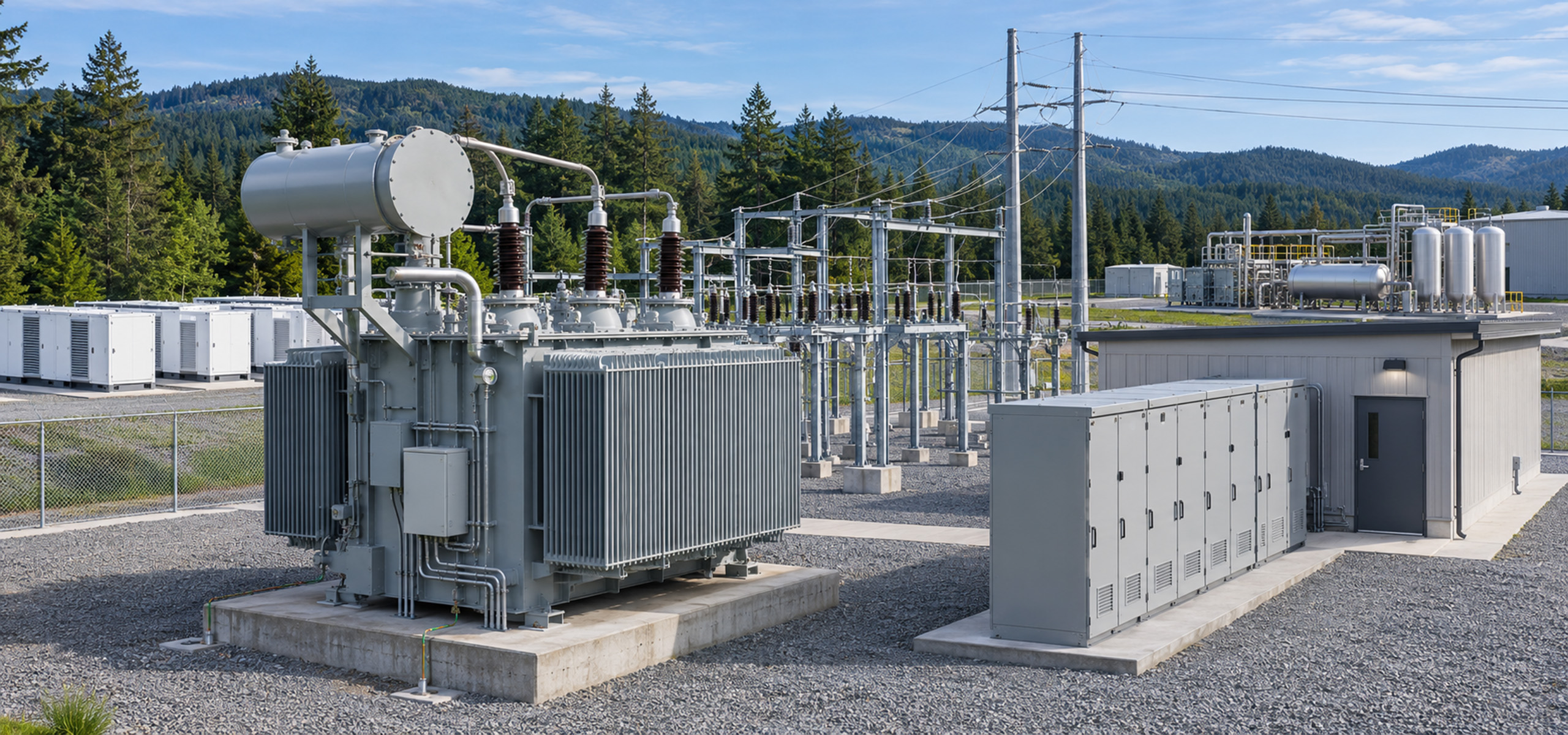
Hydrogen production facilities have similar requirements. Electrolysers can represent significant electrical loads, requiring dependable power distribution, transformers, switchgear and control systems. Facilities that convert hydrogen back into electricity also need appropriate electrical equipment to connect generation assets to the wider power system.
As these technologies develop, the demand for reliable electrical equipment and properly designed power infrastructure will continue to grow.
For companies planning new renewable energy, battery storage or hydrogen projects, considering these requirements early in the planning process can help avoid costly challenges later.
A Complementary Future for Energy Storage
The debate between batteries and hydrogen is not really about choosing a winner. It is about understanding which technology is best suited to each energy challenge.
Batteries are likely to remain an important part of electricity storage, particularly where fast response, efficiency and shorter-duration energy management are priorities. Hydrogen offers opportunities in sectors that require energy-dense fuels, industrial feedstocks and potentially longer-duration storage.
As Canada continues expanding its energy infrastructure, both technologies could become increasingly important.
At Arbutus West Agency, we recognize that the changing energy landscape requires more than new ways to generate and store electricity. It also requires dependable electrical equipment and infrastructure capable of supporting increasingly complex power systems. By connecting manufacturers with engineers, utilities and end users, AWAL helps support the equipment needs behind the technologies shaping the future of energy in British Columbia and Western Canada.
The next chapter of the energy transition will not be powered by one solution alone. It will depend on choosing the right technologies, connecting them effectively and building the electrical infrastructure needed to make them work.