


Why Canada’s Future Is Electric: What Electrification Means for Power Infrastructure in Western Canada
Canada’s Energy Future Is Shifting
Canada is entering a new era—one defined not by fossil fuels, but by electricity.
As electrification accelerates across transportation, industrial operations, and the built environment, demand for reliable, scalable power systems is rising rapidly. While oil and gas have historically driven economic growth, the future is increasingly tied to how effectively we generate, distribute, and manage electricity. For Western Canada in particular, this shift presents both a challenge and a major opportunity.

Electrification Is Driving Unprecedented Demand
Electrification is no longer a future concept—it’s already underway.
Key sectors pushing demand include:
- Transportation: Rapid adoption of electric vehicles (EVs) and charging infrastructure
- Commercial buildings: Transition to electric heating and cooling systems
- Industrial operations: Decarbonization through electric processes
- Technology: Expansion of data centres and AI-driven infrastructure
As a result, utilities and private operators are facing significant load increases, often in areas where infrastructure was never designed for this level of demand. This is where strategic power planning becomes critical.
The Real Bottleneck: Infrastructure
While power generation is important, the true constraint lies in infrastructure.
Across British Columbia and Western Canada, challenges include:
- Aging transmission and distribution systems
- Limited grid capacity in high-growth regions
- Interconnection delays for new projects
- Increasing strain on critical assets
Without proactive upgrades and testing, these limitations can result in:
- Project delays
- Reduced system reliability
- Costly downtime
Why Power System Testing Is More Important Than Ever
As demand grows, system performance can’t be left to chance.
Power system testing plays a vital role in ensuring:
- Equipment performs as designed under load
- Backup systems (generators, UPS) are reliable
- Infrastructure can handle peak demand scenarios
- Failures are identified before they impact operations
This is especially critical for:
- Utilities
- Data centres
- Healthcare facilities
- Industrial plants
Load banks, in particular, are essential tools for validating real-world performance under controlled conditions.
Building a Grid That Can Keep Up
To support electrification, Canada must invest in:
1. Grid modernization
Upgrading aging infrastructure to handle higher loads and bidirectional energy flow.
2. Transmission expansion
Connecting new generation sources to demand centers.
3. Distributed energy integration
Incorporating renewables, battery storage, and microgrids.
4. System resilience
Ensuring infrastructure can withstand environmental and operational stressors.
A Western Canada Perspective
In British Columbia and across Western Canada, unique factors are shaping the transition:
- Strong reliance on hydroelectric power
- Rapid population growth in urban centers like the Lower Mainland
- Increased wildfire risk impacting electrical infrastructure
- Expanding industrial and resource sectors
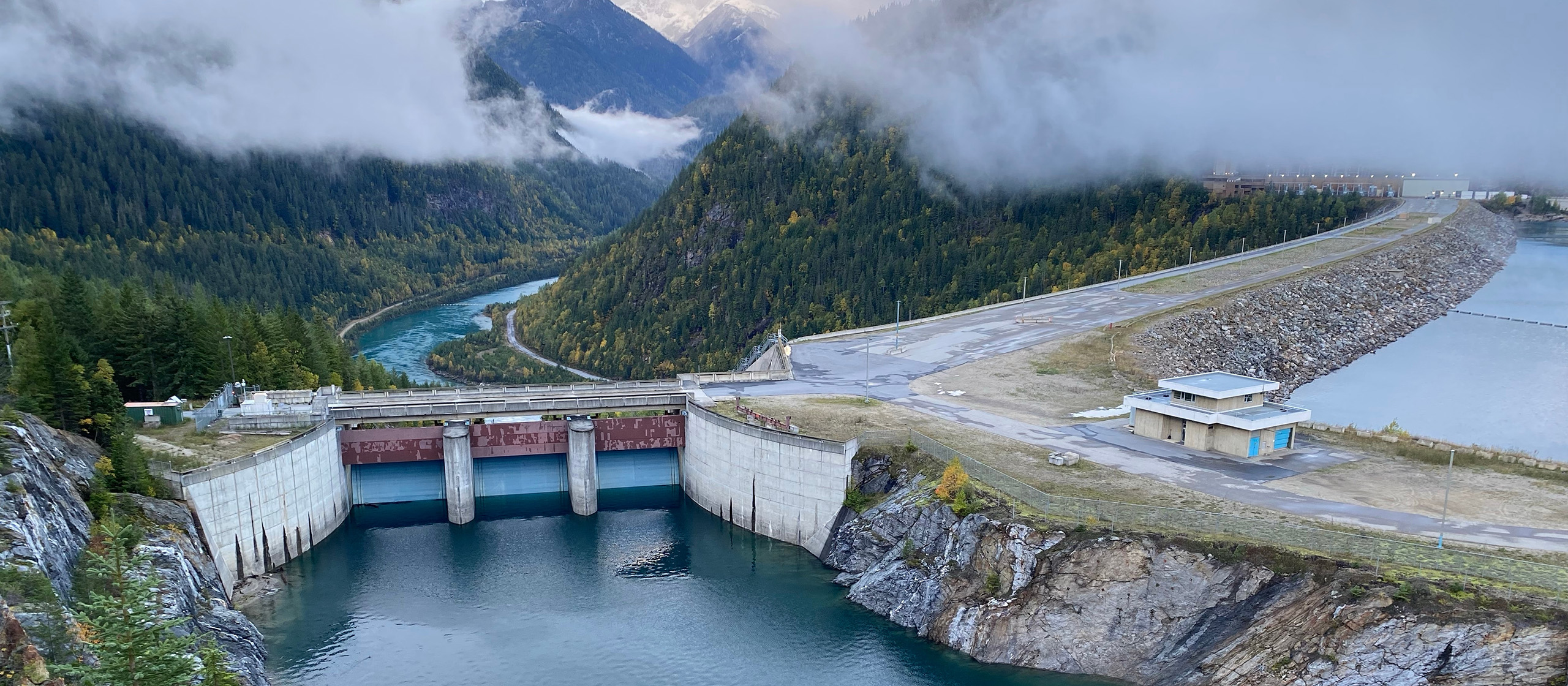
These dynamics make proactive planning and testing even more critical.
Where Arbutus West Agency and Fundamental Power Solutions Fits In
As electrification accelerates, the need for trusted power partners becomes more important than ever.
At AWAL and Fundamental Power Solutions, the focus is on helping clients:
- Validate system performance before it matters most
- Mitigate risk through proactive testing and maintenance
- Support infrastructure upgrades with reliable rental and service solutions
- Ensure uptime in mission-critical environments
From load bank testing to turnkey power system services, the goal is simple: Deliver confidence in every connection.

The Opportunity Ahead
The shift to electricity isn’t just an energy transition—it’s an economic one.
Organizations that invest in power infrastructure today will be better positioned to:
- Scale operations
- Improve reliability
- Reduce long-term costs
- Stay competitive in a rapidly evolving market
Final Thoughts
Canada has the resources, expertise, and foundation to lead in the electrified future. But leadership will depend on action. The question is no longer whether demand for electricity will grow—it’s whether our infrastructure is ready to support it.
Because the future isn’t fossil fuels. The future is electricity.